A foldable iPhone doesn’t replace the Pro
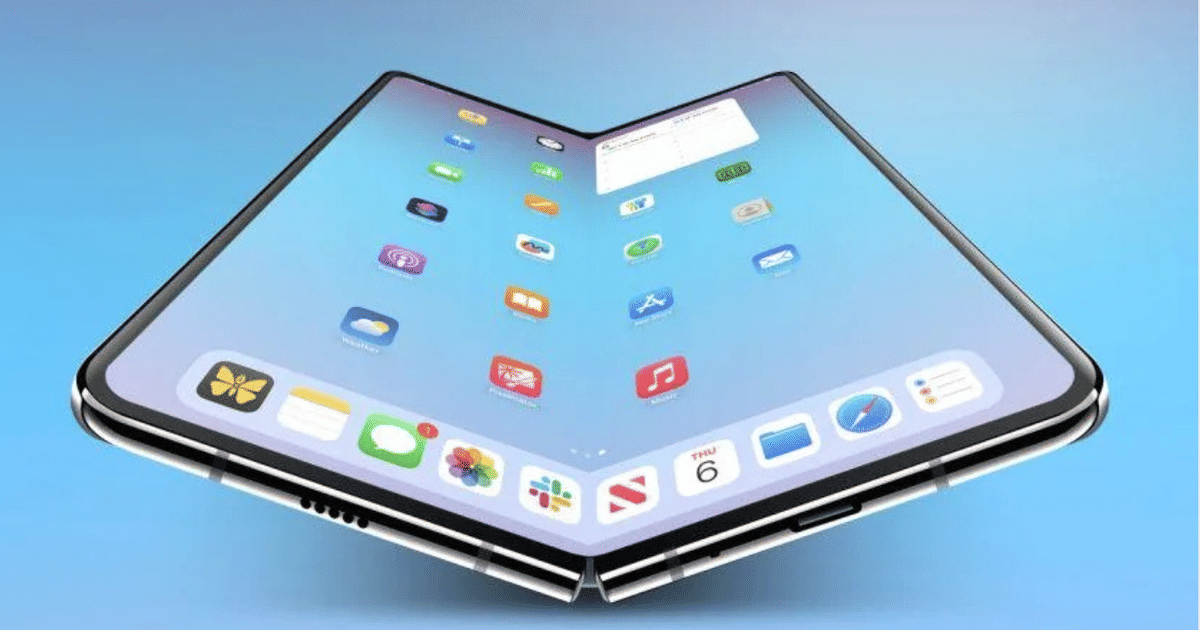
According to leaks, the expected foldable iPhone is reportedly designed as a book-style device with a large inner display that opens to roughly 7.8 inches, close to an iPad mini-like experience, while offering a compact 5.3-inch cover screen when folded.
Instead of replacing existing models, it would sit above the iPhone 18 Pro range as a separate, ultra-premium tier. Apple may even drop traditional numbering for it entirely, similar to how it has treated certain experimental lines in the past.
More importantly, Apple is said to be focusing heavily on solving the biggest weaknesses of foldables today: visible screen creases and long-term durability. If it succeeds, this would be Apple attempting to normalise a form factor that still feels experimental across the industry.
Inside, the device is expected to push flagship limits: an A20 Pro chip, a large 5,500mAh+ battery, dual 48MP rear cameras, and 18MP front cameras on both displays. Touch ID could return, embedded in the side frame, while the chassis may use titanium and aluminium for added strength.
The real shift, however, is software. iOS on a foldable is expected to borrow heavily from iPad-style multitasking, with split views and more fluid app layouts, hinting at Apple blurring the line between phone and tablet in everyday use.
Ultra MacBook in the pipeline too
The same strategy reportedly extends to laptops. Apple is said to be working on a MacBook Ultra featuring an OLED touchscreen, something that would mark a major departure from the current MacBook Pro design language.
Manufacturing is expected to involve Samsung Display, with 14-inch and 16-inch OLED panels in development and production possibly starting soon. If realised, it would position the MacBook Ultra as a higher-tier alternative rather than a replacement for existing MacBooks.
Why this matters beyond specs
If Apple introduces a foldable Ultra iPhone, it will change what ‘top-end’ means in smartphones.
That has a ripple effect for users: pricing expectations, feature separation between models, and even how apps are designed for iOS. A clearer Ultra tier could also make Pro models feel more accessible by comparison, or push them further down the premium ladder than before.
Lakshana is an entertainment and lifestyle journalist with over a decade of experience. She covers a wide range of stories—from community and health to mental health and inspiring people features.
A passionate K-pop enthusiast, she also enjoys exploring the cultural impact of music and fandoms through her writing.


