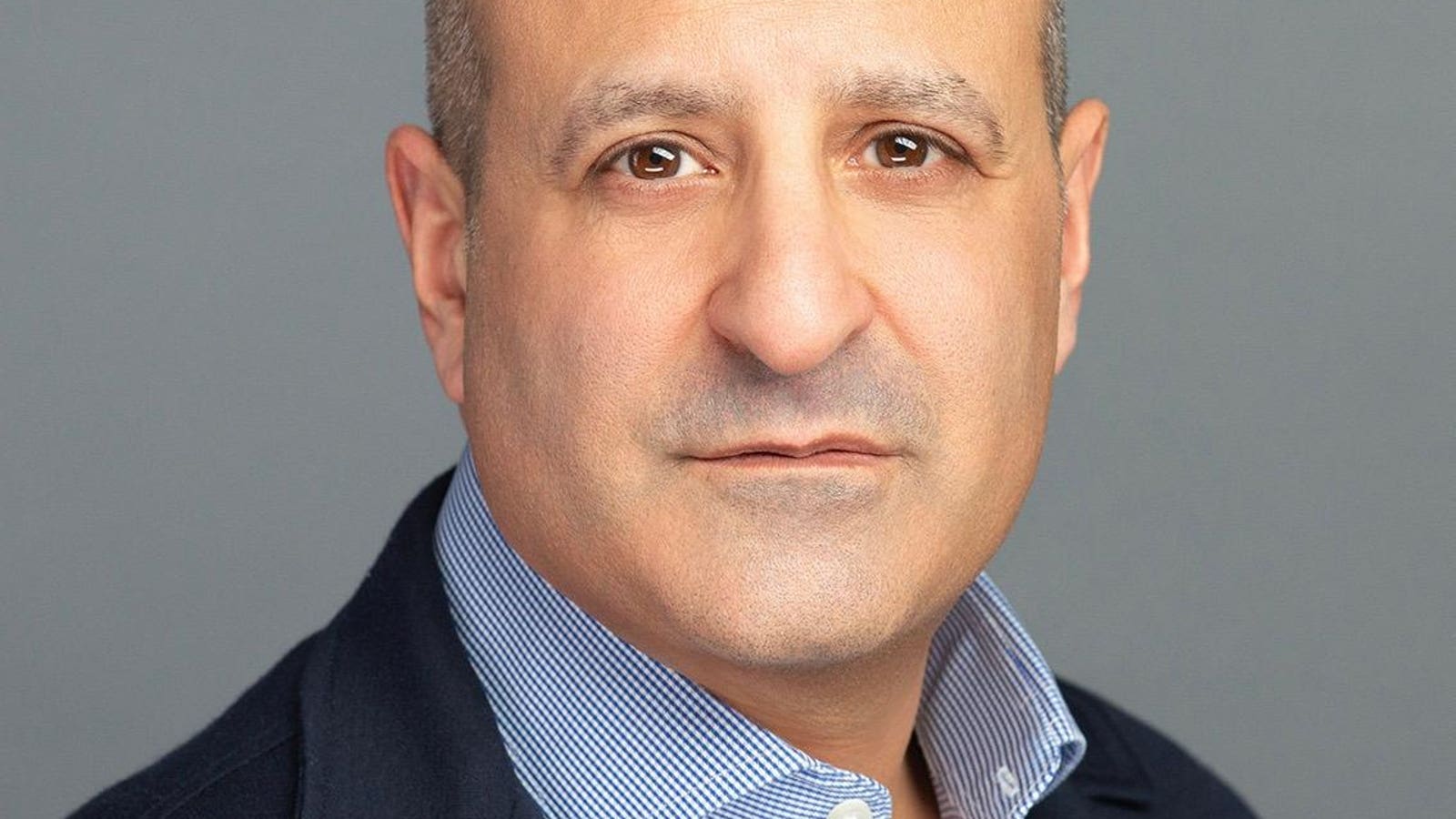
Joseph Chalom, CEO of Sharplink
Sharplink
Galaxy, the New York-based crypto and data center company founded by billionaire Mike Novogratz, is teaming up with Miami-based Ethereum treasury company Sharplink to launch a $125 million fund targeting higher returns in decentralized finance, or DeFi. The sector uses blockchain-based software to deliver lending, trading and yield products without the banks and brokers that traditionally provide them.
The private investment vehicle, called the Galaxy Sharplink Onchain Yield Fund, is expected to launch in the coming weeks. It has secured $125 million in commitments, including $100 million from Sharplink’s Ethereum treasury and $25 million from Galaxy. Galaxy will also serve as the fund’s exclusive manager, responsible for choosing protocols, sizing positions and managing risk.
For Sharplink, which has a market capitalization of $1.5 billion and ranks as the second-largest Ethereum treasury company, the fund represents the next stage of a strategy built around making its ether more productive. Its $2.1 billion treasury is already fully staked, with ether deployed across platforms including Linea, Ether.fi and Liquid Collective to earn rewards for helping secure the Ethereum network. Since its launch in June 2025, Sharplink has generated $44.6 million in returns.
“We’ve been very vocal that our job as an Ethereum treasury company is to make our ether productive first and, over time, to maximize that productivity,” says Joseph Chalom, Sharplink’s chief executive and former head of BlackRock’s digital assets strategy.
Indeed, staking, which currently yields about 2.5% to 3.5% a year, may no longer be enough. Sagging crypto prices have punished digital asset treasury companies, and Sharplink has not been spared. Its mNAV, a closely watched measure comparing a company’s stock market value with the value of the crypto assets it holds, currently sits at 0.79, meaning the market is valuing the company’s equity at less than its raw crypto reserves.
With the new fund, the company will push into more active DeFi strategies, such as lending and providing liquidity. Those approaches can regularly produce annual returns of 10% or more, but they also carry higher risks, which have grown more apparent in recent weeks.
April was a brutal month for DeFi. On April 1, North Korean state-sponsored hackers drained $285 million from Drift Protocol, Solana’s largest decentralized derivatives exchange, in what was described as a months-long social engineering operation. Seventeen days later, another North Korean hacking team exploited a vulnerability in Kelp DAO’s cross-chain bridge, draining $292 million worth of its restaking token, rsETH.
And the Kelp attack did not stay contained. Hackers deposited roughly $200 million of the stolen tokens onto Aave, the largest DeFi lending platform, using them as collateral to borrow other cryptocurrencies. The maneuver alarmed depositors and helped trigger a $9 billion rush out of Aave.
Chalom argues that the recent turmoil is not a reason to retreat from DeFi. It’s a reason to raise the bar. “The really interesting thing is, out of any financial crisis, whether in traditional finance, DeFi or other sectors, you end up raising the standards for the next wave of entrants and the next deployments and allocations,” he says. “Those in DeFi who take the time to put security first will be the survivors, and we’re going to support and invest in those protocols. All those who don’t meet institutional standards will likely no longer be able to attract capital.”
Adds Chalom, “The power of our long-term Ethereum capital and Galaxy’s expertise in asset management and on-chain deployments is a really powerful combination.”


