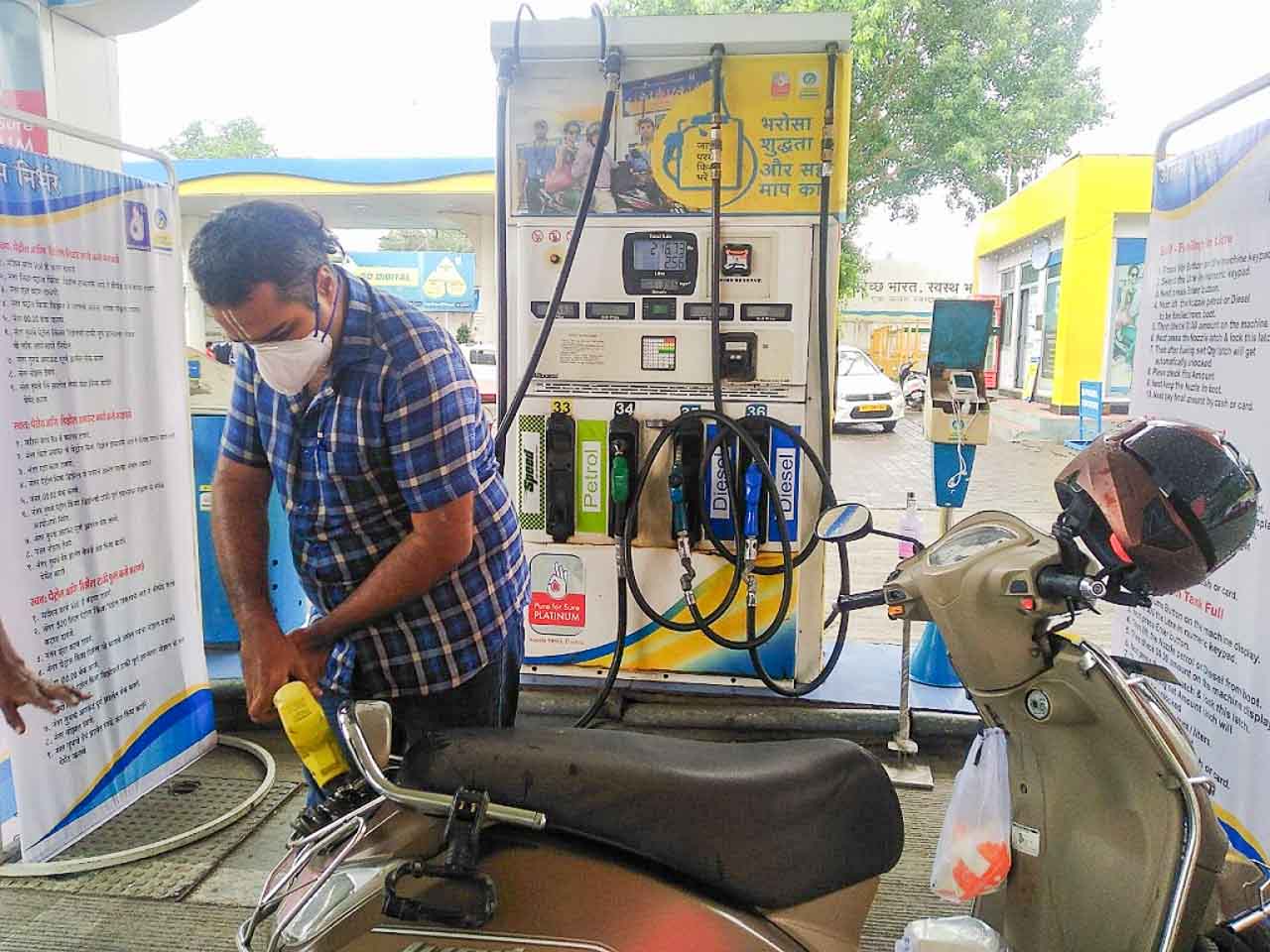
The Government of India is actively discussing a roadmap to introduce E25 petrol as the country’s next standard fuel blend, according to sources cited by CNBC-TV18. Consultations are currently underway between the government and the automotive industry, with a potential 2-3 year timeline being considered for the transition from the current E20 petrol.
The discussions come just days after the Bureau of Indian Standards (BIS) notified fuel specifications for higher ethanol blends, including E22, E25, E27 and E30 petrol. While the notification does not mandate an immediate rollout of these fuels, it lays the foundation for future adoption and signals the government’s intent to move beyond E20.

E25 Monofuel Strategy Under Evaluation
Sources indicate that the government is exploring the possibility of adopting E25 as India’s standard petrol blend nationwide. Under this approach, E25 could eventually become the default petrol available across fuel stations, replacing the current E20 blend. The Ministry of Heavy Industries is understood to be holding consultations with vehicle manufacturers and industry stakeholders regarding the transition. A timeline of two to three years is reportedly being evaluated, although no formal announcement has been made.
India’s ethanol blending programme has progressed rapidly in recent years, driven by efforts to reduce dependence on imported crude oil and improve energy security. The push for higher ethanol usage has gained further momentum amid volatility in global oil markets and geopolitical uncertainties affecting crude prices.
Auto Industry Seeks Additional Testing
While automakers support the broader ethanol roadmap, they are seeking additional time to evaluate vehicle compatibility. According to CNBC-TV18 sources, the industry has requested around six months for testing and validation before E25 is introduced.
The Automotive Research Association of India (ARAI) is currently working on testing protocols and evaluation metrics for vehicles running on higher ethanol blends. Manufacturers will need to assess the impact of E25 on engine performance, emissions, fuel system durability and long-term reliability before the fuel can be rolled out nationwide.
Concerns Over Existing Vehicles
A key concern raised during consultations relates to the large number of older vehicles currently on Indian roads. While most newly launched vehicles are now engineered to support E20 petrol and many manufacturers have started preparing for even higher ethanol blends, older vehicles may face compatibility challenges. Components such as fuel lines, seals and engine calibration systems may not be optimized for increased ethanol content.
The industry has reportedly highlighted the need for extensive testing and consumer awareness before a nationwide transition is undertaken. Another concern relates to fuel efficiency. Ethanol contains lower energy density than petrol, which means vehicles typically consume slightly more fuel to achieve similar performance and range. This could have a greater impact on older vehicles that are not specifically designed for higher ethanol blends.
Automakers Already Preparing For Higher Ethanol Fuels
The automotive industry has already begun developing products capable of operating on significantly higher ethanol blends. Over the past few years, several manufacturers have showcased flex-fuel vehicles in India. Minister Gadkari recently announced that Maruti will launch their first flex fuel car on 5th June. These developments suggest that manufacturers are preparing for a future where ethanol content could increase substantially beyond current levels.
Next Phase Of India’s Ethanol Journey
The ongoing consultations around E25 indicate that India is preparing for the next phase of its ethanol blending programme. While E20 remains the current standard, the recent BIS notification and government-industry discussions point towards a gradual move to higher ethanol blends over the coming years. The pace of implementation will depend on vehicle testing results, infrastructure readiness and industry feedback. If approved, E25 could become India’s next standard petrol blend within the next two to three years, further strengthening the country’s push towards energy security and reduced dependence on imported fossil fuels.


