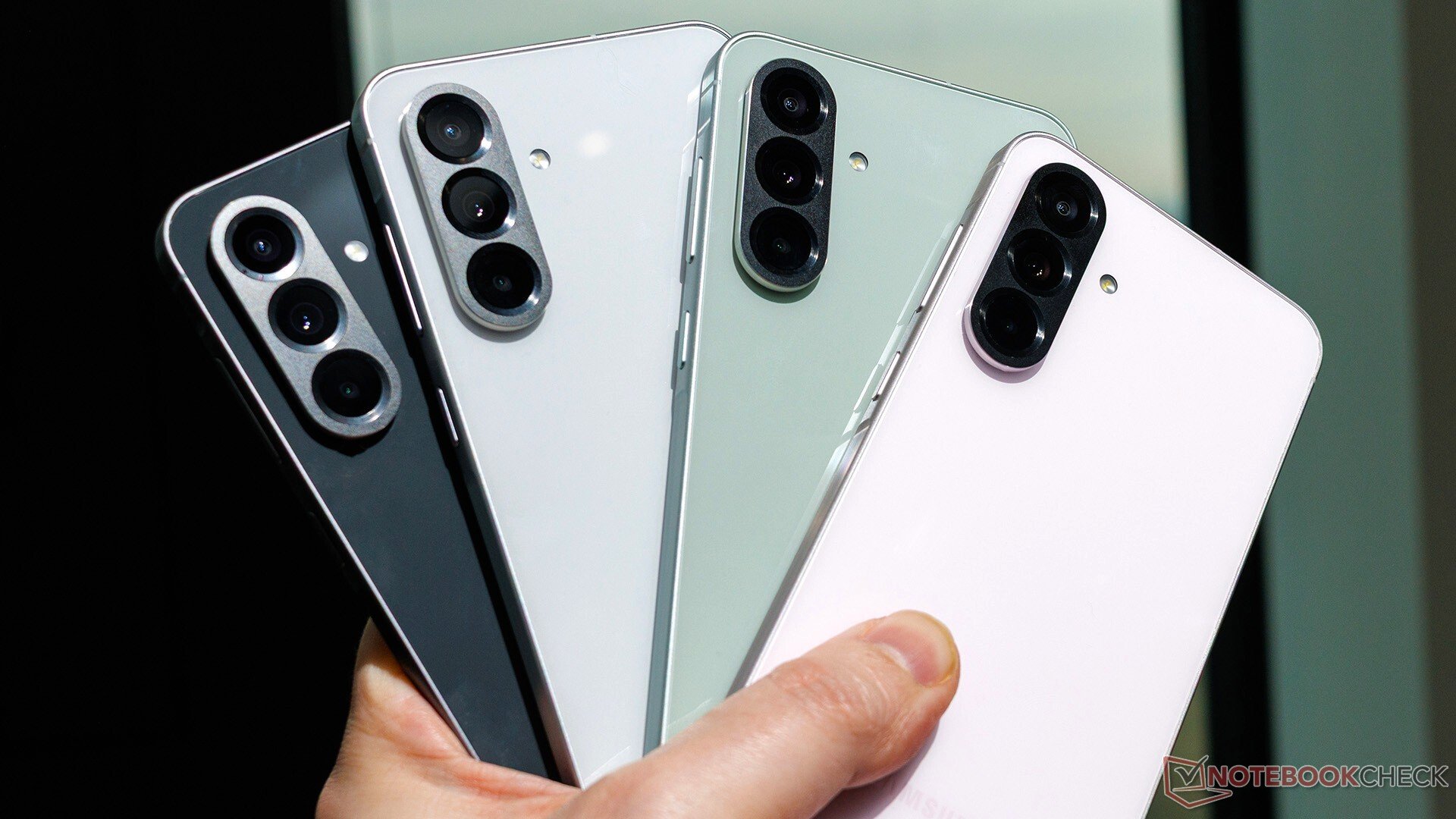
There is a very specific kind of buyer frustration that Samsung has been manufacturing for years. You walk into a phone shop, you look at the Galaxy S series, and you feel that familiar tightening in your chest when you see the price tag. Nearly ₦1.7 million for the base S26. You do not need a flagship. You just need a phone that does not embarrass you in a meeting, takes decent photos, and does not die before you get home from work.
In Nigeria, the middle class is fast disappearing, and status symbols like a high-class smartphone might be the only difference between the middle class and the struggling.
So you drift toward the A series. And every year, the A series keeps inching closer to the answer you are actually looking for. The Galaxy A57 5G, announced in March 2026 and available from April, is the closest Samsung has come to making that drift feel worthwhile.
But in making the phone, Samsung made one decision that is going to irritate a very specific type of Nigerian buyer. We will get to that.
The phone Samsung should have been building for this price all along
The Galaxy A57 5G is noticeably slimmer and lighter than its predecessor, coming in at 6.9mm thin and 179g , a meaningful step down from the 7.4mm and 198g of the A56. In hand, it feels more premium than its price suggests. The aluminum frame and Gorilla Glass Victus+ back do most of the heavy lifting there.
More significantly, the A57 is the first Galaxy A device to achieve an IP68 rating , full dust and water resistance, up from the IP67 on previous models. This matters more than most spec sheets let on. IP68 means you can drop this into a sink, get caught in Onitsha rain without panic, and hand it to a child without that specific low-grade anxiety that follows you around with IP67 devices.
The display is a 6.7-inch Super AMOLED+ panel at 120Hz with a peak brightness of 1,900 nits and Vision Booster for outdoor clarity. In direct sunlight , which, if you live anywhere in Southeast Nigeria, is a daily reality, this screen holds up in a way that mid-range phones from three years ago simply did not.
Super processor putting in Major Shift
Under the hood is Samsung’s 4nm Exynos 1680 chipset, featuring a neural processing unit rated at 19.6 TOPS , up from 14.7 TOPS on the Exynos 1580 in the A56. That NPU upgrade is not just a marketing number. It is what allows the A57 to run Samsung’s Awesome Intelligence features without the stuttering and lag that plagued earlier A-series AI attempts.
Object Eraser, Edit Suggestions, Best Face for group shots, and Auto Trim for video editing tools that previously felt like they belonged only on the S series are genuinely usable here. Circle to Search with Google now supports multi-object recognition so that you can search for an outfit and its accessories simultaneously from a single image. For a content creator or small business owner photographing products in Aba or Onitsha market, that is not a trivial upgrade.
Samsung is also committing to six generations of OS upgrades and long-term security support, which changes the value calculus entirely. You are not buying a ₦500,000 phone for two years. You are buying it for six. Spread across that timeline, the A57 begins to make a different kind of financial argument.
Specifications: Samsung Galaxy A57 5G
| Category | Specification |
| Display | 6.7-inch Super AMOLED+, 120Hz, 1,900 nits |
| Processor | Exynos 1680, 4nm |
| RAM | 8GB / 12GB |
| Storage | 128GB / 256GB / 512GB |
| Rear Camera | 50MP main + 12MP ultrawide + 5MP macro |
| Front Camera | 12MP Super HDR |
| Battery | 5,000 mAh, 45W fast charging |
| Water Resistance | IP68 |
| Operating System (OS) | Android 16, One UI 8.5 |
| Price | From $549.99 (~₦830,000 at current rates) |
The Big Omission
The microSD slot has been removed permanently. No card slot. Gone entirely.
For a significant portion of the Nigerian market where expandable storage has been a quiet but non-negotiable feature of mid-range phone buying decisions, this is not a small thing. It is the kind of removal that does not feel like progress. It feels like a platform decision made in a boardroom that did not consult anyone who has ever needed to transfer files without reliable internet access.
Samsung’s answer is the new 512GB storage option, a first for the A series. But buying more internal storage to compensate for a removed feature is a different proposition from having the flexibility to manage your own storage on your terms.
If you relied on a microSD card, you now have to decide whether 128GB or 256GB is enough and live with that decision for potentially six years.
Is it worth your Money?
The A57 is the best mid-range phone Samsung has built in this price band. IP68, six years of updates, a genuinely capable AI-powered camera system, and a design that no longer looks like it is apologising for not being an S series device; these are real, meaningful improvements.
But Samsung is also asking you to pay closer to flagship money for a mid-range device. At roughly ₦830,000 at current exchange rates before retailer markup, the A57 sits in uncomfortable territory, too expensive to be an easy decision, not expensive enough to feel like a prestige purchase.
This price feature makes it perfect for middle-class Nigerians who cannot dole out over N1.7 million for a smartphone but can save up 6 months’ worth of salary to make a big purchase of a phone in the Silver Class of Samsung’s catalogue.
Who Should Buy This Phone
If you fall into this category of buyers, you should seriously consider getting the phone.
If you are upgrading from an A53, A54, or older model and want a meaningful generational leap with long software support. You should consider buying.
If you work outdoors, near water, or in dusty environments, IP68 is not a nice-to-have but a practical necessity.
On the flip side, if you are a bit old school, currently use a microSD card, and have no intention of changing that habit, you might want to pass this one.
If you are already on an A56. The improvements are real, but not transformative enough to justify the cost of switching this soon.
Get passive updates on African tech & startups
View and choose the stories to interact with on our WhatsApp Channel
Explore
Last updated: May 6, 2026


