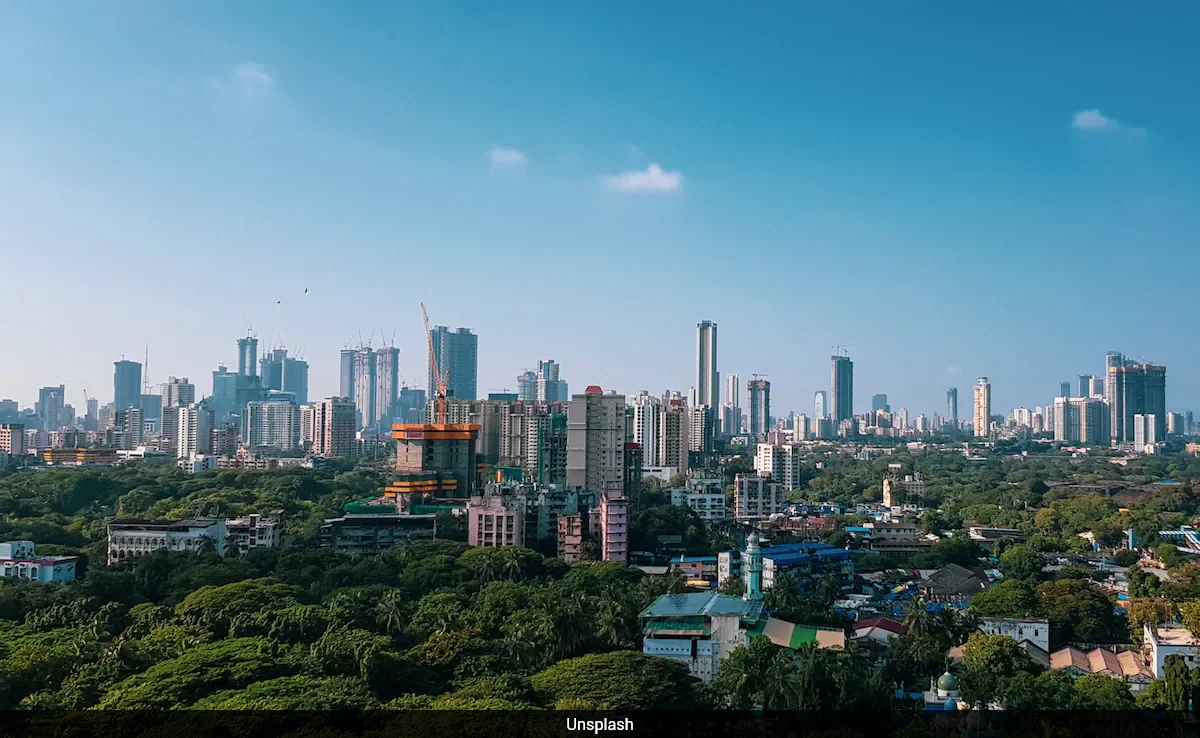
For years, Mumbai’s skyline has been defined by gleaming towers of three and four-bedroom luxury flats, priced for the wealthy and marketed with aspirational gloss. But a property expert is now warning that this era may be drawing to a close, and that the middle-class buyer, long ignored and quietly priced out, could be about to make a comeback.
Real estate analyst Vishal Bhargava, citing data tracked by Mumbai Housing Compass, has flagged a striking shift in the city’s housing supply. New launches of one-bedroom flats in Mumbai fell by nearly 50 per cent in 2025, dropping to approximately 9,786 units against an annual average closer to 20,000 in previous years.
Far from being a routine fluctuation, Bhargava believes this collapse in affordable supply reflects years of deliberate choices by developers, choices that may now be coming back to haunt them as the market begins to slow.
How Builders Abandoned the Middle Class
The turning point, Bhargava explains, was the pandemic. The post-Covid surge in stock markets and a wave of startup wealth created a new class of flush buyers who wanted space, and plenty of it. Two, three and four-bedroom flats became the product of choice for developers chasing better profit margins. Compact one-bedroom units, which had historically formed the backbone of middle-class housing in Mumbai, were quietly shelved.
The results are visible in the numbers. The average price of a newly launched flat in Mumbai now stands at roughly Rs 3 crore, a figure that places even a basic home well beyond the reach of most salaried families in the city’s core areas.
“Mumbai has forgotten the middle class,” Bhargava said plainly.
Mumbai has forgotten the middle-class. The number of 1BHK homes crashed by 50% in 2025.
As market slows down further – Mumbai will once again remember the middle-class. pic.twitter.com/4JtB7tRMYA— Vishal Bhargava (@VishalBhargava5) April 22, 2026
“Mumbai is nothing more than a slum for 99 per cent of its citizens,” wrote one social media user, in a post that resonated widely.
Why the Cycle May Now Be Reversing
Here is where Bhargava’s analysis takes a significant turn. The very strategy that made luxury housing so attractive to builders, strong demand, high margins and wealthy buyers, is showing early signs of strain. Sales momentum is slowing. Affordability concerns are deepening as the city heads into 2026. And developers who have spent years ignoring the middle-class segment may soon find that the premium market alone cannot sustain them.
Bhargava is cautiously optimistic that market forces will do what neither policy nor public pressure has managed so far. “As the market slows down further, Mumbai will once again remember the middle class,” he said.


