We’ve been hearing about Google’s behind-the-scenes work to move its laptop efforts over to Android, but now that we’ve seen “Googlebook,” I’m not really sure I’m sold yet. Honestly, I don’t think Google has shown any reason for these laptops to exist at all.
This issue of 9to5Google Weekender is a part of 9to5Google’s newsletter that highlights the biggest Google stories with added commentary and more. Sign up here to get Weekender delivered to your inbox early every weekend, and catch our weekday roundups too!
Earlier this week, “Googlebook” was the big reveal of “The Android Show,” where Google also talked about new features coming to Android later this year. There’s quite a bit to be excited about, but the company’s new laptop effort is perhaps at the bottom of the list for me.
Why?
Well, I don’t think Google has really shown anything of substance yet. So let’s break it down bit-by-bit. Google’s announcement starts by talking about how “Googlebook” is the merger of Android and ChromeOS, “built with Gemini’s helpfulness at its core.” Gemini is obviously the main driver here, with Google next showing off how its new “Magic Pointer” cursor can activate Gemini and interact with what’s on screen with just a wiggle gesture. That idea in itself is actually pretty good – Gemini’s tools are best served with the context of what you’re acutally looking at, so easier access is great. But it’s also the only new feature Google actually showed off and, even then, it’s coming to the Chrome browser too.
Outside of Magic Pointer, the rest of the “Googlebook” preview includes “Create your Widget” support, a feature also coming to Android phones. “Googlebook” will also be able to mirror apps from your phone and offer “Quick Access” to files from your Android phone, the latter feature having existed on ChromeOS for a few years now.
And… that’s it.
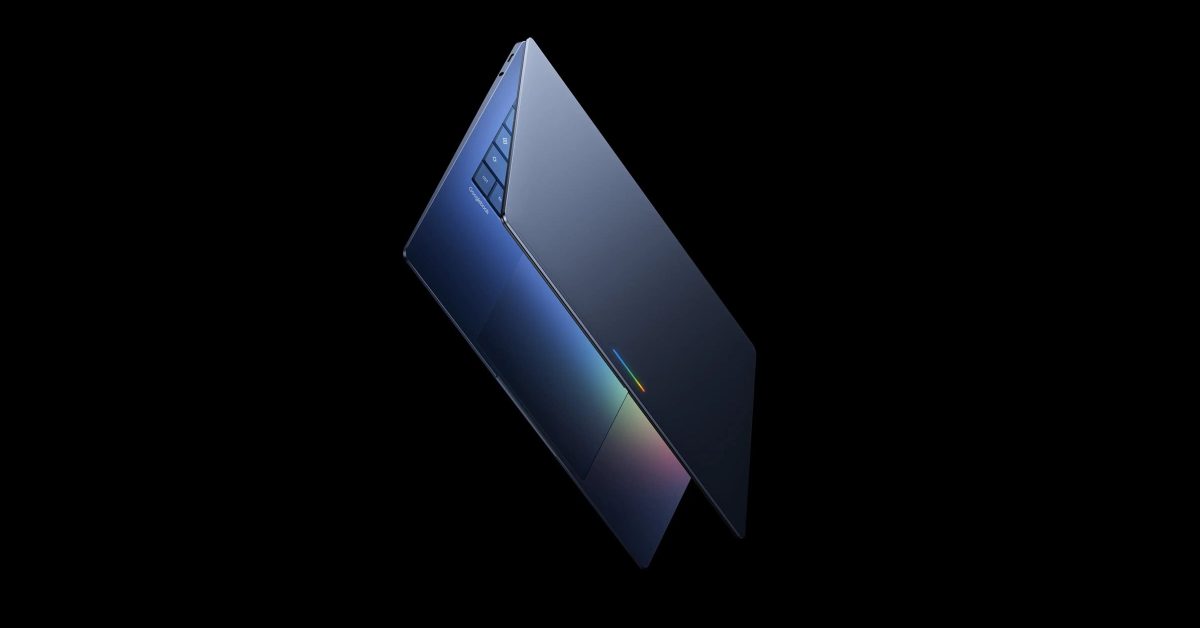
The annoucnement ends talking about “premium hardware” and the “Glow Bar” that will be the signature “Googlebook” hardware feature.
As first impressions go, this is not good. Google has shown off new laptop efforts centered around a blown-up Android experience and a “killer feature” that’s just going to be added to Chrome anyway. Unsurprisingly, the whole pitch as it stands today feels like Google’s way of building an AI laptop, but I think this fundamentally fails to grasp what people are buying a laptop for in 2026.
We’re all carrying around powerful computers in our pockets, all of which are capable (to varying degrees) of AI tasks. AI, generally speaking, doesn’t care about the device you use it on. So Google’s demos of being able to combine images a bit more quickly doesn’t really do much to sell me on using AI on a laptop, and I don’t think I’m alone there. As mentioned, the smartphone is powerful now, and especially for younger generations, the smartphone is the device that gets everything done. Laptops, in that world, exist as a tool for what a smartphone isn’t capable of, whether that be more advanced tasks such as video/photo editing, or being more efficient tools for things like taking notes. By the very nature of being a laptop, “Googlebook” will have no problems with the latter, but it’s the former I’m more worried about.
Android is a powerful and capable operating system, but unless Google is making big moves to bring in the desktop-class apps that laptop buyers expect – the proper Adobe suite springs to mind – I’m just not sure there’s anything that “Googlebook” is bringing to the table.
But, even beyond that, Google’s preview hasn’t done a single thing to show me that this new platform is somehow better than the existing one. ChromeOS has a bad reputation, but with support for Android and Linux apps, it’s secretly quite powerful. And we’re throwing that away for… just Android?
Google might have some surprises behind-the-scenes here, but “Googlebook” has, to me, made a terrible first impression. “It’s not ready yet” is not a good excuse. With public opinion of Windows lower than ever and Apple changing the narrative with its MacBook Neo, it’s the time for Google to pull out all of the stops and really pitch its vision. “Magic Pointer” and a few recylced ChromeOS features simply are not enough.
As it stands today, Google hasn’t given me a reason to get excited about “Googlebook,” nor a reason for it to exist at all.
Just me? What do you think?
This Week’s Top Stories
The Android Show
While Googlebook was a key part of the news, Google’s “Android Show” delivered news on a ton of new Android news including “Gemini Intelligence” and some tidbits about Android 17.
Samsung releases One UI 8.5, drops One UI 9 in beta
Samsung has some big software updates this week, with the stable rollout of One UI 8.5 finally landing after months in beta. The Android 16-based update is rolling out now globally.
Meanwhile, One UI 9, based on Android 17, is now available on Galaxy S26 devices, though it seems like a relatively minimal update.
Fitbit Air first impressions
Ahead of its full launch later this month, we’ve gone hands-on with Google’s new Fitbit Air, and the hardware is great. It’s lightweight, super comfortable, and inexpensive, though we did run into some early software woes.
More Top Stories
From the rest of 9to5
9to5Mac: iOS 27’s new design leak sounds a lot like what I’ve been wanting most
9to5Toys: Microsoft’s upcoming compact cloud gaming controller with Wi-Fi 6 shows up in new leak
Electrek: Honda retreats to hybrids after failed EV bet triggers record $9 billion loss
Follow Ben: Twitter/X, Threads, Bluesky, and Instagram


FTC: We use income earning auto affiliate links. More.


