MUMBAI: One moment it’s in your hand, the next it’s in someone else’s pocket but Apple wants to make that getaway far less rewarding. The tech giant is reportedly developing a new anti-theft feature that could automatically lock iPhones moments after they are snatched, adding another layer to its growing arsenal of device security protections. The proposed system is designed to recognise suspicious movement patterns associated with phone theft and instantly secure the device before thieves can gain access to personal data, banking apps or account settings.
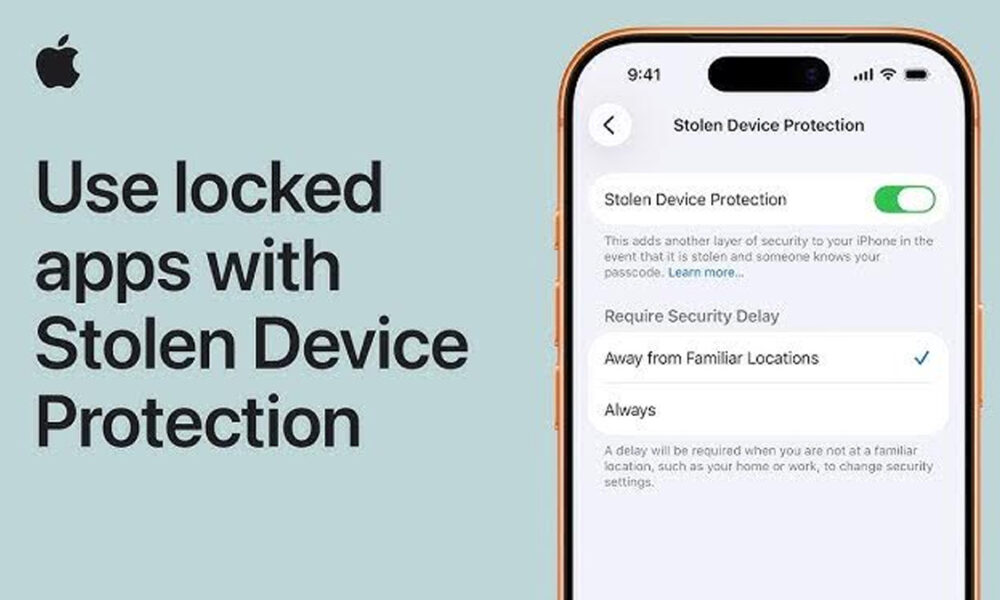
The move builds on Apple’s existing Stolen Device Protection feature, introduced with iOS 17.3, which requires Face ID or Touch ID verification for sensitive actions such as viewing saved passwords, accessing payment information, changing account settings or disabling Lost Mode. Certain actions also trigger a mandatory one-hour security delay when the device is away from trusted locations.
However, Apple appears to be targeting a loophole that has troubled smartphone users for years: phones being stolen while already unlocked.
According to reports, the new system could use a combination of device signals to determine whether a theft has occurred. These may include accelerometer data capable of detecting sudden grab-and-run movements, alongside proximity information from a connected Apple Watch to identify when an iPhone abruptly moves away from its owner.
The software could also assess contextual signals such as whether the device remains connected to a familiar Wi-Fi network or is located in recognised places like home or work before triggering protective measures.
If the system determines that the device has likely been stolen, the iPhone would reportedly lock itself automatically and activate the same restrictions currently enforced under Stolen Device Protection.
The concept mirrors theft-detection tools already available on several Android devices, which use motion sensing to identify suspicious activity and secure phones before unauthorised access can occur.
Apple’s focus on theft prevention has intensified in recent years as concerns grew around criminals observing passcodes before stealing devices. The company introduced Stolen Device Protection to prevent thieves from quickly changing passwords, disabling security settings or accessing financial accounts, even if they knew the passcode.
Reports also suggest Apple could eventually enable Stolen Device Protection by default in future iOS releases, signalling a broader shift towards stronger built-in security safeguards.
For now, the anti-snatch feature remains unannounced, and Apple has not confirmed when or if it will reach users. But if it does, smartphone thieves may soon discover that stealing a phone is one thing; using it is quite another.


