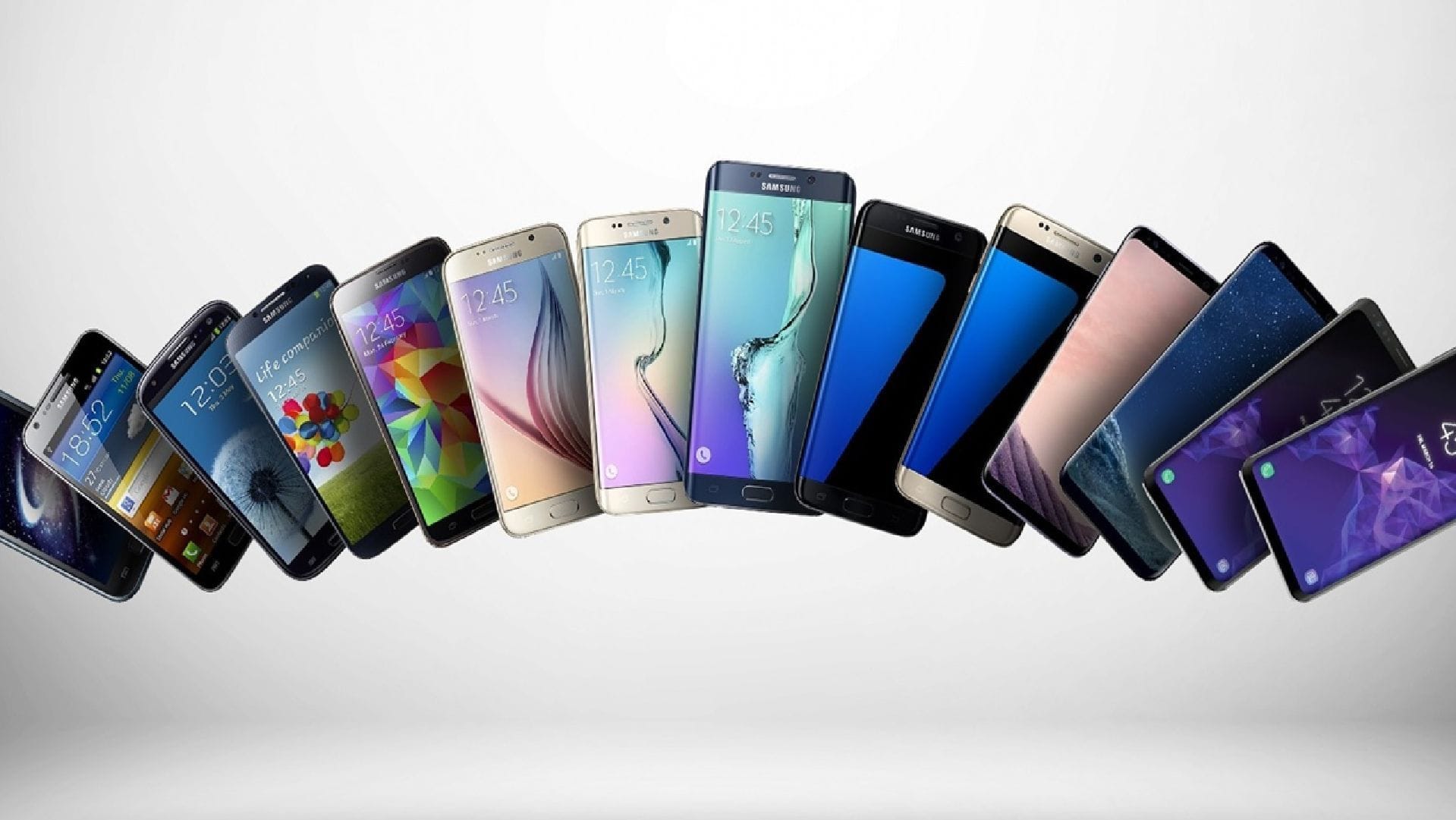

The smartphone market has evolved quite a bit in the past decade. The latest flagship smartphones in the 2010s brought significant upgrades with each model. It was thus sensible to upgrade every couple of years. However, after the evolution of mobile tech since the mid-2010s, nowadays, even if a flagship looks tempting, there aren’t a lot of changes under the hood. Considering device specs and usage even more thoroughly is the new norm.
Therefore, this article discusses a few reasons why you don’t need the latest flagships anymore. Read on to learn more.
5 reasons for not purchasing the latest flagship smartphones
1) Minor upgrades
Back in the day, every flagship phone brought monumental leaps over its predecessors. Brands used to jump from dual-core to quad-core processors, or 720p to 1080p. Nowadays, manufacturers come up with faster processors every year, marginally better cameras, and slightly brighter displays. However, none of them makes a noticeable difference in practical day-to-day use.
Also read: Best laptops for video editing
Therefore, unless you are someone who wants to own the latest tech all the time, there is no point upgrading to a new flagship device every year.
2) Improvements in mid-range phones
The mid-range models of today are capable enough for average consumers. Over the past few years, we have seen mid-range smartphones arrive with robust chipsets, decent cameras, battery backups, long software support, and more. They don’t lag much whether it’s social media or light office work.
Also read: Best free alternatives to popular paid applications
These devices also deliver a good gaming experience. While playing demanding games or using complex AI tools might be an issue, the mid-range smartphones provide great value for money.
3) Cost and depreciation
Flagship smartphones usually come with a huge price tag. While we have already discussed how they upgrades they offer over their predecessors are fewer and fewer, and how mid-range smartphones deliver better value for money, if that is not enough to convince you, you should also consider how fast the latest models depreciate in resale value.
Also read: Best smartphones for content creation
The prices of new gadgets drop considerably every year. Most people will not pay anywhere close to the original retail price for used flagship smartphones, especially since they can spend a little extra for a brand new device. As such, selling arguably new tech for the latest drop doesn’t offer the same value for money anymore.
4) Almost no camera improvement
Most companies show multiple camera improvements on paper for their flagship models. However, those improvements barely make an impact when you consider photos and videos from last year’s flagship.
Also read: Best smartwatches for swimming
Nowadays, most people click photos to share them on social media. However, such platforms, especially Instagram, compress media to save server space and decrease loading time. So, at first glance, there is almost no difference between the picture you clicked from the latest flagship smartphones and the one captured by the previous year’s flagship. There may be differences when looked closely, but most people either won’t check or care enough if they do spot something.
5) The bugs
The experience of using new flagship smartphones isn’t always as smooth as we’d like it to be. The brand new products often come with software bugs or overheating problems. Therefore, it is always better to wait for a few months after a flagship model’s release to consider making a purchase.
You can check the reviews from different users during this wait to get an overall assessment. This way, you can decide whether the purchase will be worth it before splurging the cash just because it is the latest model.
Edited by Abu Amjad Khan


