The document, published as part of OpenAI’s open-source programming tool Codex, contains lines that resemble textual instructions for the GPT-5.5 model. Some of them prohibit mentions of goblins, other fairy-tale creatures, as well as common creatures like raccoons and pigeons. Users have reported that OpenAI’s products are suddenly mentioning goblins, and Sam Altman has already joked about it, Wired reports.
“Never talk about goblins, gremlins, raccoons, trolls, ogres, pigeons, or other animals or creatures unless it is absolutely and unambiguously relevant,” one of the instructions says.
In response to a post on X that covered these lines, some users wrote that OpenAI models sometimes become possessed by goblins and other creatures when used to run OpenClaw.
“I’m wondering why my Claw suddenly became a goblin in Codex 5.5,” writes Tara Viswanathan.

“I’ve been using it a lot lately, and it really can’t stop calling bugs gremlins and goblins. It’s just ridiculous – they try so hard to prevent it, but it still does it,” writes Leo Mozoloa.
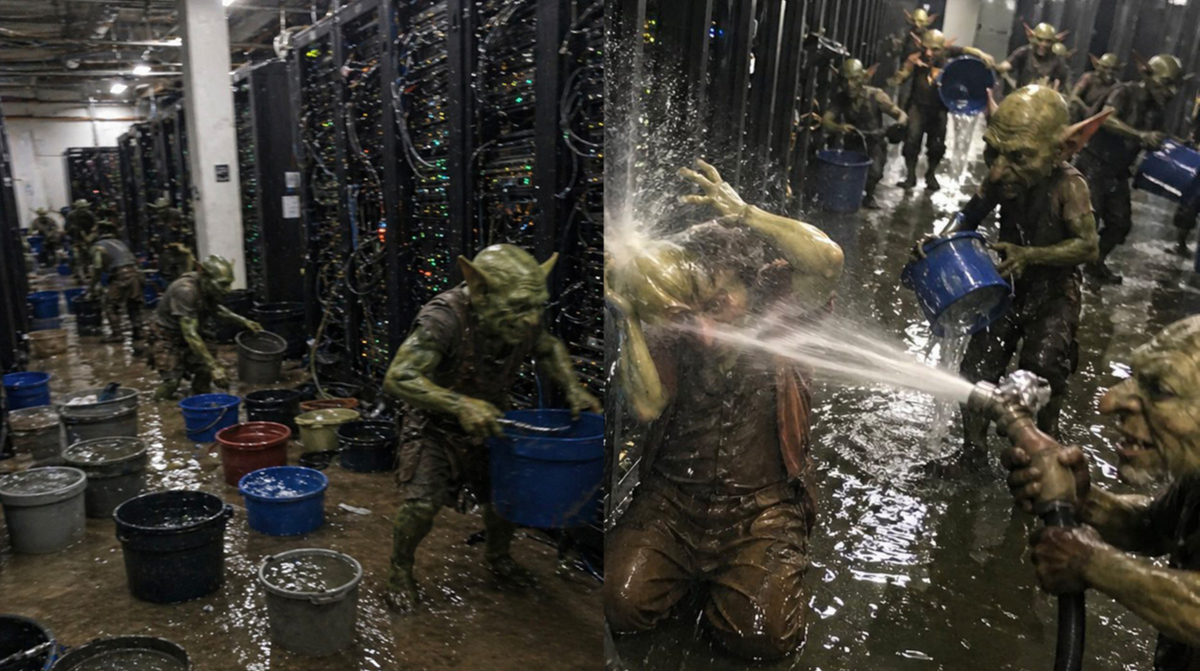
In a short time, goblins have become a meme. Some even create art with goblins in data centers, like Sterling Crispin, who also used goblins to poke fun at the problem of water use in data centers.
OpenAI seems to have acknowledged the ban as well as the problem. Nick Pash, a developer at Codex, wrote: “This [the strange goblin references] is indeed one of the reasons.”
Sam Altman even posted a meme in the form of a request for ChatGPT. In it, the chat promises additional goblins in GPT-6.
However, OpenAI has yet to comment on the appearance of fairy-tale creatures in the language model’s responses, nor has it announced any additional steps to address the goblin problem, which is apparently still relevant despite the available instructions.
Share:


