Published on
March 9, 2026
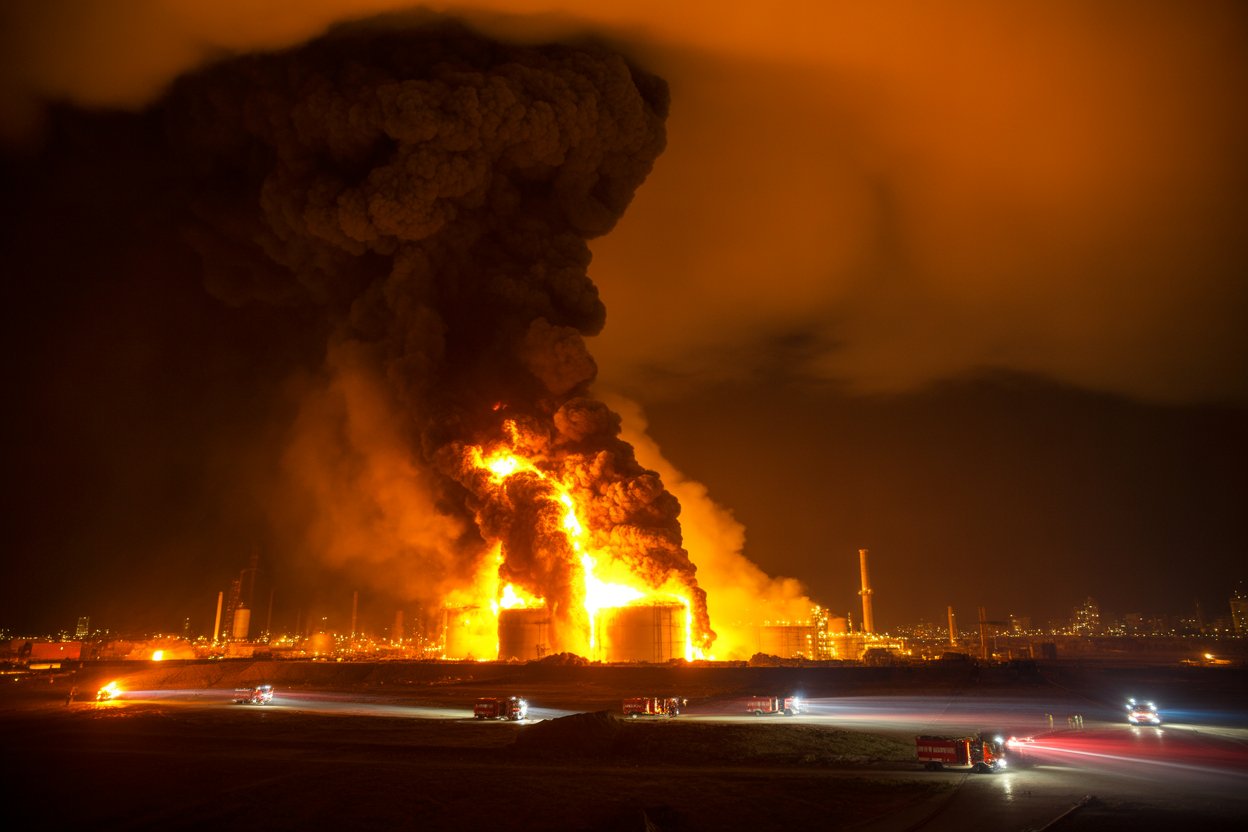
Image generated with Ai
Mexico, the US, Canada, China, the UK, France, Germany, India, and others are beginning to face historic inflation in aviation, hotels, travel and more due to a global oil shortage as the Strait of Hormuz blockade hammers over forty countries’ tourism economies. As shipping through the strategic waterway collapses and oil prices surge past $114 per barrel, airlines are confronting record jet-fuel costs, forcing higher airfares across international routes. At the same time, hotels and tourism businesses are struggling with rising energy bills and disrupted logistics chains. The Strait of Hormuz blockade is therefore sending shockwaves through aviation, hospitality, and global travel markets, leaving over forty countries’ tourism economies under severe pressure. This crisis is now reshaping airline operations, supply chains, and tourism demand worldwide, creating historic inflation across the travel sector and triggering widespread economic uncertainty for destinations that depend heavily on international visitors.
Strait of Hormuz Crisis Deepens as Regional Conflict Reshapes Global Shipping
The Strait of Hormuz, one of the world’s most critical maritime chokepoints, has effectively entered a state of near shutdown following the escalation of the conflict widely referred to as the “Second Iran War,” which erupted on February 28. As of March 9, 2026, commercial shipping traffic through the narrow waterway has dropped by roughly 90 percent. Although the strait remains technically open under international maritime law, the security environment has rendered normal operations nearly impossible. For global energy markets and shipping companies, the situation represents one of the most severe disruptions to maritime trade in recent years.
De Facto Blockade Emerges as Security Risks Intensify
Security conditions in the Strait of Hormuz have deteriorated rapidly, creating what analysts describe as a de facto blockade. The Islamic Revolutionary Guard Corps (IRGC) has warned that vessels attempting to pass without authorization could face military action. This threat has had an immediate chilling effect on commercial operators, many of whom have halted voyages through the area entirely. While the strait has not been formally declared closed, the practical effect of these warnings has effectively restricted access to only a limited number of politically aligned vessels.
Global Oil Markets React to Supply Shock
The disruption in maritime traffic has sent shockwaves through global energy markets. Oil prices surged beyond $114 per barrel on March 9, reaching levels not seen since 2022. Market analysts warn that if the strait remains restricted for an extended period, prices could climb toward $150 per barrel. The Strait of Hormuz normally handles roughly one-fifth of the world’s seaborne oil trade, meaning even partial interruptions can have immediate consequences for global supply and pricing.
Advertisement
Advertisement
Shipping Industry Faces Escalating Costs
The shipping industry is now confronting a rapidly escalating financial burden. Major carriers including Maersk, MSC, and Hapag-Lloyd have invoked force majeure clauses in response to the crisis. Emergency freight increases have also been introduced, with some container surcharges climbing to as high as $3,800 per unit. These added costs are likely to ripple through global supply chains, increasing the price of transported goods and further complicating already fragile logistics networks.
Insurance Market Withdrawal Creates Maritime Deadlock
Beyond direct military threats, the insurance market has become a critical bottleneck. War-risk insurance coverage for vessels operating in the Gulf has been widely withdrawn or priced at prohibitive levels. Without this coverage, many shipowners cannot legally or financially justify entering the region. As a result, the combination of security threats and insurance restrictions has effectively paralyzed much of the commercial maritime traffic that normally passes through the strait.
Advertisement
Advertisement
Governments Seek Alternative Export and Security Strategies
In response to the growing crisis, governments are exploring alternative routes and security measures to stabilize energy flows. Saudi Arabia has begun increasing use of its East-West Pipeline, which transports crude oil across the kingdom to Red Sea export terminals at Yanbu. This pipeline provides a limited workaround to bypass the Strait of Hormuz, though it cannot fully replace the volume normally shipped through the waterway.
Meanwhile, some energy-importing countries are considering naval escorts for critical shipments.
Key responses under discussion include:
- Pipeline Diversions: Saudi Arabia shifting crude exports to Red Sea ports
- Naval Protection: India and other importers evaluating escort missions
- Strategic Reserves: Governments reviewing emergency stockpile releases
Despite these efforts, analysts warn that the combination of missile threats, drone attacks, and political escalation makes securing commercial shipping routes extraordinarily difficult. Until tensions ease or new security frameworks emerge, the Strait of Hormuz is likely to remain one of the world’s most volatile maritime corridors.
Mexico: Tourism Demand Could Shift as Global Travel Costs Surge

Image generated with Ai
Mexico’s tourism industry may experience a different kind of impact from the Strait of Hormuz disruption. Unlike Europe and Asia, Mexico could benefit from travelers seeking closer, more affordable destinations as long-haul travel becomes more expensive. Rising global oil prices are still affecting airline fuel costs, but Mexico’s proximity to the United States makes it an attractive alternative for travelers avoiding costly intercontinental flights.
Airlines operating between the United States and Mexico may see stronger demand as travelers opt for shorter routes that consume less fuel and avoid conflict-related detours. For hotels and resorts in destinations such as Cancun, Los Cabos, and Mexico City, this shift could lead to increased bookings from North American tourists. However, logistics costs for imported goods and hospitality supplies are likely to rise due to global shipping disruptions.
| Sector | Current Impact | Projected Impact if Crisis Continues |
|---|---|---|
| Aviation | Slight fuel-driven airfare increases | More demand for regional flights |
| Oil Prices | Fuel costs rising with global markets | Moderate inflation in travel costs |
| Logistics | Import shipping costs rising | Hospitality supply expenses increase |
| Hospitality | Tourism demand stable | Potential boost from regional travelers |
United States: Energy Price Shock Alters Aviation Economics and Travel Patterns

Image generated with Ai
The United States is experiencing indirect but powerful consequences from the Strait of Hormuz crisis due to the interconnected nature of global oil markets. Even though the country produces large amounts of domestic energy, global price benchmarks are pushing aviation fuel costs upward. WTI crude hovering near $108 per barrel has already raised airline operating expenses significantly. Airlines operating long-haul flights to Asia are being forced to reroute around the Gulf region, increasing both flight distance and fuel burn.
These operational adjustments have already begun affecting ticket prices. US carriers report fuel cost increases of roughly $20,000 per international flight, which inevitably translates into higher fares. In the hospitality sector, the trend is not a collapse but a redirection of demand. Travelers are increasingly favoring domestic destinations such as Florida, California, and national parks rather than expensive overseas vacations. If oil prices continue rising toward $130 or beyond, economists expect a broader inflationary effect on travel spending, which could slow international tourism demand across the US aviation sector.
| Sector | Current Impact | Projected Impact if Crisis Continues |
|---|---|---|
| Aviation | Fuel costs increasing on long-haul flights | Reduced international capacity |
| Oil Prices | WTI near $108 per barrel | Possible rise above $125 |
| Logistics | Trucking and freight costs increasing | Consumer goods inflation |
| Hospitality | Domestic tourism stable | International travel demand may weaken |
Canada: Aviation Fuel Costs and Long-Haul Travel Pressures Hit North American Tourism

Image generated with Ai
Canada is experiencing significant indirect effects from the Strait of Hormuz disruption despite its strong domestic energy production. Because global oil markets are interconnected, the surge in crude prices has pushed aviation fuel costs higher across North America. Canadian airlines operating transatlantic and transpacific routes are now facing rising operating expenses as jet fuel prices climb alongside Brent and WTI benchmarks. This has already translated into higher ticket prices on routes between Canada, Europe, and Asia.
For the hospitality sector, the biggest impact may come from reduced international travel demand. Tourism operators in cities such as Toronto, Vancouver, and Montreal rely heavily on overseas visitors, particularly from Europe and Asia. If airfare continues rising due to fuel inflation and rerouted flight paths, inbound tourism could slow significantly. Analysts also warn that logistics costs for imported goods—especially food and hospitality supplies—may rise as global shipping routes lengthen.
| Sector | Current Impact | Projected Impact if Crisis Continues |
|---|---|---|
| Aviation | Rising jet fuel costs for long-haul flights | Higher fares on transatlantic routes |
| Oil Prices | Global crude surge affecting airline costs | Fuel surcharges likely |
| Logistics | Import costs increasing | Shipping delays and price inflation |
| Hospitality | Tourism bookings stable but cautious | Potential drop in international visitors |
China: Energy Security Concerns Reshape Aviation and Tourism Strategy

Image generated with Ai
China is one of the countries most strategically exposed to the Strait of Hormuz disruption because a large portion of its oil imports flows through the Gulf. With tanker traffic reduced dramatically, concerns about long-term energy security are beginning to shape both industrial policy and aviation operations. Rising oil prices are increasing operating costs for Chinese airlines, particularly on long-haul routes to Europe and the Middle East.
Tourism patterns are already shifting. Outbound Chinese travel has slowed as international uncertainty and higher airfares discourage long-distance vacations. Instead, the country’s hospitality sector is focusing more heavily on domestic tourism markets to sustain occupancy levels. Airlines may also adjust route networks if the conflict persists, prioritizing regional travel over energy-intensive long-haul routes. Analysts believe that if the Hormuz crisis continues for several months, China could accelerate efforts to diversify energy import routes and reduce reliance on the Gulf corridor.
| Sector | Current Impact | Projected Impact if Crisis Continues |
|---|---|---|
| Aviation | Higher jet fuel costs on international flights | Possible reduction of long-haul routes |
| Oil Prices | Major dependence on Gulf oil supply | Strategic energy diversification |
| Logistics | Manufacturing exports facing delays | Supply chain adjustments |
| Hospitality | Shift toward domestic tourism | Reduced outbound travel demand |
United Kingdom: Rising Jet Fuel Costs Threaten Long-Haul Travel and Summer Tourism

Image generated with Ai
The disruption in the Strait of Hormuz is rapidly reshaping the United Kingdom’s aviation and hospitality landscape. Although the UK imports only a limited portion of its oil directly through the Gulf, the global pricing mechanism means airlines and logistics firms are immediately exposed to higher energy costs. With Brent crude trading above $114 per barrel, jet fuel prices across European hubs have surged sharply, forcing airlines to adjust ticket pricing models. Long-haul flights from London to Asia and Australia now require costly detours around Iranian airspace, increasing flight times by several hours. This adds thousands of dollars in fuel costs per trip and pressures airline margins.
Hotels and tourism operators are also preparing for a possible slowdown in international arrivals. Travel agencies report that high airfare is discouraging long-distance travel, particularly among leisure tourists planning summer holidays. Analysts project that if the Hormuz disruption continues into late spring, the UK could experience a 10–15% decline in long-haul inbound tourism, particularly from Asia and the Middle East. Airlines may respond by cutting capacity on weaker routes, which could further push fares upward.
| Sector | Current Impact | Projected Impact if Crisis Continues |
|---|---|---|
| Aviation | Long-haul ticket prices rising sharply | Possible reduction in Asian flight routes |
| Oil Prices | Brent above $114 per barrel | Could reach $130–$150 if disruption persists |
| Logistics | Shipping costs increasing | Retail prices may rise by early summer |
| Hospitality | Early signs of booking hesitation | Potential drop in international tourists |
France: Europe’s Tourism Leader Faces Aviation and Energy Price Shock

Image generated with Ai
France, the world’s most visited country, faces considerable risk from the economic ripple effects of the Strait of Hormuz blockade. As oil prices surge, European airlines operating from Paris and other major airports are encountering steep increases in jet fuel costs. Flights to Asia and the Middle East—key markets for French tourism—are becoming significantly more expensive due to longer routes and rising operational expenses.
The hospitality sector is particularly sensitive to these developments. Paris, Nice, and other major destinations depend heavily on international visitors, especially from Asia and North America. Early signals from travel agencies suggest an increase in precautionary cancellations for upcoming trips, as travelers react to rising ticket prices and geopolitical uncertainty. If the crisis persists through the summer travel season, France could experience reduced long-haul arrivals and higher operational costs for hotels and airlines.
| Sector | Current Impact | Projected Impact if Crisis Continues |
|---|---|---|
| Aviation | Jet fuel prices rising for European carriers | Reduced flight frequency to Asia |
| Oil Prices | Brent crude spike impacting airlines | Possible ticket fuel surcharges |
| Logistics | Shipping costs rising across Europe | Higher retail and hospitality supply costs |
| Hospitality | Early booking hesitation | Potential decline in international tourism |
Germany: Energy Dependence and Business Travel Risks for Europe’s Industrial Engine

Image generated with Ai
Germany faces a complex challenge as the Strait of Hormuz disruption drives up both energy costs and aviation expenses. As one of Europe’s largest industrial economies, Germany relies heavily on stable energy supplies to maintain manufacturing output. Rising oil prices are already placing pressure on industrial sectors such as automotive and chemical production. At the same time, aviation hubs like Frankfurt Airport, a critical gateway for international business travel, are experiencing increased operational costs as airlines pass higher fuel prices onto passengers.
Business travel, which is essential for Germany’s export economy, could slow if ticket prices continue climbing. Early indicators show that some corporate travel budgets are being reassessed as companies attempt to control expenses during energy price volatility. Germany’s hospitality industry, particularly hotels tied to conferences and trade exhibitions, may face declining international attendance if aviation costs remain elevated. Analysts warn that a prolonged Hormuz disruption could combine with Europe’s broader energy challenges to reduce corporate travel activity across the continent.
| Sector | Current Impact | Projected Impact if Crisis Continues |
|---|---|---|
| Aviation | Airfares increasing on Europe-Asia routes | Decline in corporate travel demand |
| Oil Prices | Higher industrial energy costs | Manufacturing slowdown |
| Logistics | Shipping delays affecting supply chains | Export competitiveness weakened |
| Hospitality | Conference tourism uncertain | Lower international event attendance |
India: Aviation Connectivity with the Gulf Faces Severe Pressure

Image generated with Ai
India’s aviation and tourism industries are deeply tied to the Middle East corridor, making the Strait of Hormuz disruption particularly significant. Nearly half of India’s international flights pass through Gulf aviation hubs, which serve as major transit points for travelers heading to Europe and North America. As tensions rise around the Strait, airlines are facing higher fuel costs and greater operational uncertainty. Insurance premiums for aircraft flying near conflict zones are also increasing, adding additional expenses.
The hospitality sector in India is also feeling the effects, especially in segments dependent on travelers from Gulf countries. Medical tourism, which brings many visitors from the Middle East to Indian hospitals and hotels, is seeing a noticeable slowdown. Airline stocks have already reacted to the crisis, reflecting investor concern about fuel prices and route stability. If the Strait remains disrupted for an extended period, India’s aviation sector may need to restructure key routes, potentially reducing connectivity between South Asia and the Gulf.
| Sector | Current Impact | Projected Impact if Crisis Continues |
|---|---|---|
| Aviation | Fuel costs rising sharply | Reduced Gulf flight frequencies |
| Oil Prices | India highly exposed to global price increases | Inflationary pressure on transport |
| Logistics | Export routes facing longer transit times | Shipping costs increase |
| Hospitality | Medical tourism slowing | Hotel occupancy may decline |
Global Economic and Travel Impact Analysis
The Strait of Hormuz blockade has triggered a cascading economic shock across at least thirty countries that rely on the waterway for energy exports, fuel imports, or maritime trade routes. Oil-producing nations such as Kuwait, Iraq, and Qatar are facing immediate revenue losses as exports stall, while energy-dependent economies including Japan, South Korea, China, and India are confronting severe supply insecurity and rising fuel prices. The disruption has also destabilized major logistics hubs such as Singapore and the United Arab Emirates, where global aviation and shipping networks intersect.
For the travel and hospitality sectors, the crisis has created a powerful double shock. Airlines are experiencing record jet-fuel costs and longer flight routes that increase operational expenses, forcing ticket prices upward across international routes. Meanwhile, tourism-dependent economies like Spain, Italy, and Thailand face declining visitor demand as global travelers cut back on long-haul travel. Logistics disruptions are also pushing hotel operating costs higher as food, fuel, and imported supplies become more expensive. If the blockade continues for several months, analysts warn that the combined effects of energy shortages, freight delays, and airfare inflation could significantly slow global tourism recovery and reshape international travel patterns for the remainder of 2026.
| # | Country | Category | Middle East Oil Dependency (%) | Primary Exposure | Key Economic & Travel Impact |
|---|---|---|---|---|---|
| 1 | Kuwait | Producer | 100% exports via Hormuz | Oil exports | Government revenue halted |
| 2 | Iraq | Producer | 90%+ exports via Hormuz | Crude production | Production shutdowns |
| 3 | Qatar | Producer | 95% exports via Hormuz | LNG exports | Global gas price spike |
| 4 | UAE | Producer / Hub | 80% exports via Hormuz | Aviation & logistics | Hub disruption |
| 5 | Bahrain | Producer | 100% regional refining | Fuel production | Refinery shutdown |
| 6 | Saudi Arabia | Producer | ~60% exports via Hormuz | Oil logistics | Partial pipeline rerouting |
| 7 | Japan | Importer | ~75% | Energy supply | Industrial power risks |
| 8 | South Korea | Importer | ~70% | Manufacturing energy | Factory output slowdown |
| 9 | China | Importer | ~40% | Industrial oil supply | Manufacturing risk |
| 10 | India | Importer | ~60% | Fuel supply | Diesel inflation |
| 11 | Pakistan | Importer | ~65% | LNG imports | Electricity shortages |
| 12 | Bangladesh | Importer | ~55% | Energy supply | Industrial slowdown |
| 13 | Taiwan | Importer | ~70% | LNG reserves | Energy security risk |
| 14 | Thailand | Importer | ~45% | Oil price exposure | GDP slowdown |
| 15 | Philippines | Importer | ~50% | Fuel imports | Currency pressure |
| 16 | Germany | Importer | ~25% | Industrial energy | Manufacturing costs rising |
| 17 | United Kingdom | Importer | ~20% | Consumer fuel prices | Transport inflation |
| 18 | Italy | Importer | ~35% | Gas imports | Energy insecurity |
| 19 | Singapore | Logistics Hub | ~30% | Maritime trade | Port activity collapse |
| 20 | Sri Lanka | Importer | ~65% | Fuel imports | Economic instability risk |
| 21 | Vietnam | Importer | ~40% | Export logistics | Supply chain delays |
| 22 | Jordan | Transit | ~80% | Energy imports | Tourism collapse |
| 23 | Oman | Producer / Transit | ~85% exports via Hormuz | Port logistics | Insurance disruption |
| 24 | Egypt | Transit | ~20% | Suez Canal trade | Canal traffic drop |
| 25 | United States | Global power | ~12% | Fuel prices | Gasoline inflation |
| 26 | Turkey | Importer | ~30% | Energy imports | Currency pressure |
| 27 | Indonesia | Importer | ~35% | Fuel subsidies | Government budget strain |
| 28 | Spain | Importer | ~30% | Tourism aviation | Higher airfare |
| 29 | South Africa | Transit | ~25% | Maritime rerouting | Port congestion |
| 30 | Israel | Conflict participant | ~40% | Energy infrastructure | Gas production disruption |
| 31 | France | Importer | ~30% | Aviation fuel costs | Tourism risk |
| 32 | Canada | Importer / Producer | ~15% | Aviation fuel | Airline cost increases |
| 33 | Mexico | Importer | ~25% | Fuel imports | Logistics inflation |
| 34 | Greece | Importer | ~40% | Maritime transport | Shipping sector pressure |
| 35 | Netherlands | Importer | ~30% | European logistics hub | Port congestion |
| 36 | Belgium | Importer | ~30% | Refining industry | Fuel supply pressure |
| 37 | Malaysia | Importer | ~35% | Industrial fuel | Manufacturing risk |
| 38 | Brazil | Importer | ~20% | Fertilizer imports | Agricultural cost spike |
| 39 | Australia | Importer | ~35% | Energy imports | Fuel price inflation |
| 40 | South Korea | Industrial importer | ~70% | Energy security | Technology manufacturing risk |
Mexico joins US, Canada, China, UK, France, Germany, India, and others to face historic inflation in aviation, hotels, travel and more due to a global oil shortage as the Strait of Hormuz blockade hammers over forty countries’ tourism economies, driving higher airfares, rising hotel costs, and severe disruption across global travel.
Conclusion
Mexico joins US, Canada, China, UK, France, Germany, India, and others to face historic inflation in aviation, hotels, travel and more due to global oil shortage as the Strait of Hormuz blockade hammers over forty countries’ tourism economies, creating a worldwide travel and logistics shock. As oil shipments remain restricted and jet fuel prices surge, airlines are raising fares, hotels are absorbing rising energy costs, and tourism-dependent economies are struggling to maintain growth. The Strait of Hormuz blockade has therefore become a defining trigger behind this global travel inflation, leaving over forty countries’ tourism economies under severe financial pressure. For governments, airlines, and hospitality businesses, the unfolding crisis underscores how deeply aviation, travel, and tourism rely on stable global energy flows. Until the blockade eases and oil supplies stabilize, Mexico, the US, Canada, China, the UK, France, Germany, India, and many others will continue facing historic inflation across aviation, hotels, travel and more—making this crisis a critical moment for the global tourism economy.


