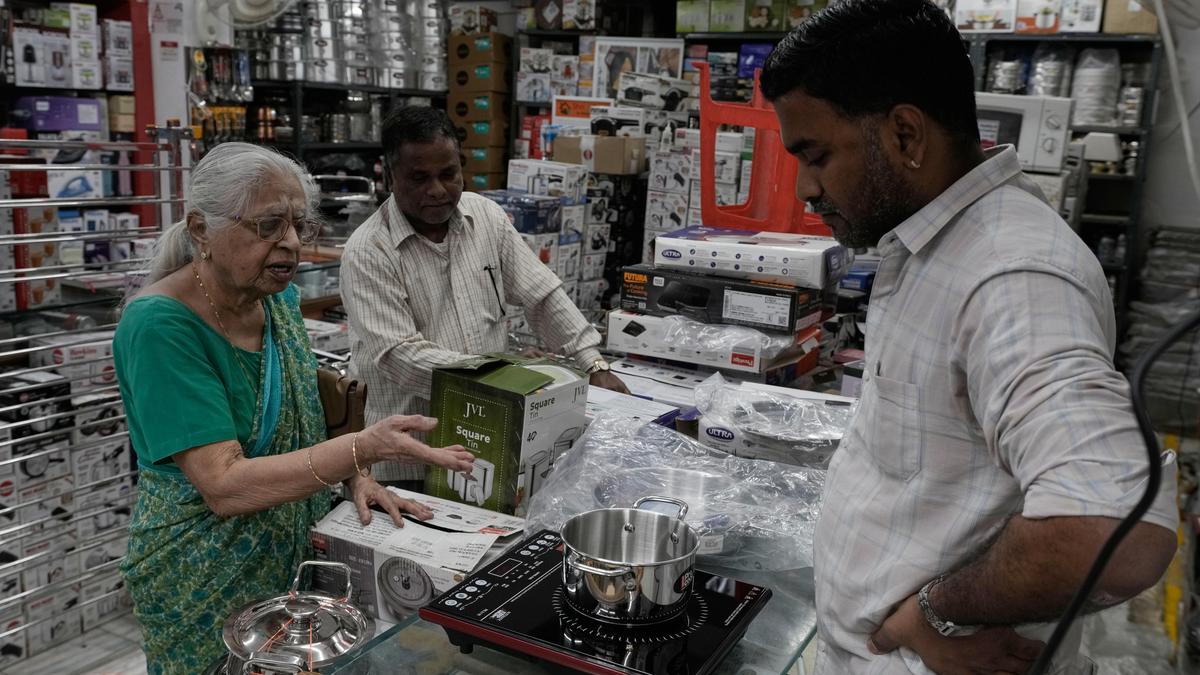
The disruption is linked to tensions in West Asia, particularly around the strategic Strait of Hormuz [File]
| Photo Credit: AP
India is witnessing a sharp surge in demand for induction stoves and compatible cookware as fears of LPG shortages grow amid escalating tensions in West Asia. With uncertainty around cylinder availability, many consumers are rapidly turning to electric cooking alternatives to ensure uninterrupted meal preparation.
The disruption is linked to tensions in West Asia, particularly around the strategic Strait of Hormuz, a crucial global energy transit route. The situation has strained international LPG supply chains, leading to delays in cylinder deliveries across major Indian cities including Chennai, Bengaluru, and New Delhi.

Households in several areas are facing long queues for refills and uncertain delivery timelines. Commercial users, especially restaurants and catering businesses, are also struggling to secure supplies. In response, the government has invoked the Essential Commodities Act to prioritise domestic LPG distribution and prevent hoarding. India relies on LPG for nearly 87% of household cooking, making the supply disruption particularly alarming and prompting precautionary buying.
Surge in induction stove demand
“We have seen a four times spike in the average weekly sales of induction cooktops in the e-commerce channels since the beginning of the ongoing tensions in the Middle East,” says Rajendra Gandhi, managing director of Stovekraft, a Bangalore based home appliance brand, which manufacature and owns Pigeon brand.
“Induction stoves and electric kettle sales have increased over the last two days in Chennai. There are bulk enquiries for these products. Sales has increased by 300%. Individuals are purchasing in large numbers, and there is clear panic buying. On the supply side – there is a short supply now. We are trying to get stock from our vendors,” said Vijay Vasanth, Partner of Vasanth and Co and Member of Parliament.
Restaurants feel the pinch
The shortage is already affecting the food service sector. Many restaurants and small eateries have been forced to shut their kitchens temporarily, trim menu offerings, or switch to alternative cooking fuels.
“A prolonged disruption in LPG supply to restaurants and commercial kitchens could lead to the non-availability of food for millions of citizens who rely on these establishments for their daily meals, including students in hostels, individuals without adequate housing, and busy working professionals,” said Kumar Rajagopalan, CEO of the Retailers Association of India.
Wider economic impact
The sudden shift toward induction cooking could accelerate India’s gradual transition to electric cooking solutions—an outcome that aligns with the country’s broader renewable energy goals. Public sector entities are also adapting. Indian Railway Catering and Tourism Corporation (IRCTC) has instructed catering units at railway stations to shift to induction cooktops and microwave ovens and maintain stocks of ready-to-eat food as LPG supply disruptions linked to tensions in West Asia threaten kitchen operations.
Government response
Authorities have extended the LPG refill inter-booking period from 21 to 25 days to discourage stockpiling. Prices of non-subsidised cylinders have also been increased by ₹60 to moderate demand. At the same time, natural gas allocations have been prioritised, with 100% allocation for households and auto fuel, around 70% for fertiliser production, and reduced supplies for non-essential sectors.
(with inputs from Sangeetha Kandavel in Chennai and Mini Tejaswi in Bengaluru)
This article has been updated to reflect the latest information
Published – March 13, 2026 09:22 am IST


