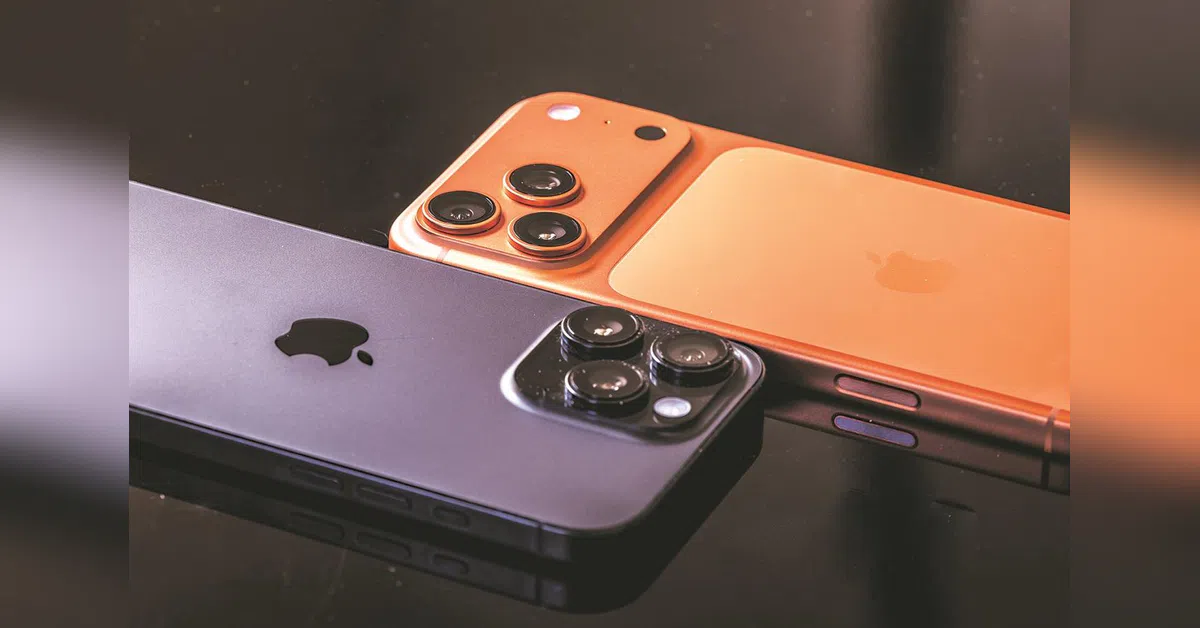
With that, the Apple Inc-owned smartphone brand has emerged as India’s single largest branded export across all major export categories classified under the Harmonised System (HS) code framework, which covers more than 5,000 product groups used in global trade.
This assessment is based on 11-month export data for FY26 (April-February) of top HS code products released by the Ministry of Commerce and Industry.
India’s smartphone exports stood at around ₹2.6 trillion ($29.4 billion) in FY26.
Of that, the iPhone alone accounted for over 75 per cent, around the ₹2 trillion mark, or about $22 billion. India’s second-largest export category under the HS code classification during the first 11 months of FY26 — automotive diesel fuel —lagged well behind at $14.53 billion, with one month of data still awaited.
Diamonds ranked third at $11.23 billion, followed by medicines at $9.98 billion. Motor gasoline ranked fifth at $8.5 billion.
In the process, Apple has become a showcase for India’s manufacturing ambitions and a flagship success story for the government’s “Make in India” push. Apple’s vendors trained workers through in-house programmes, while the supplier ecosystem was built largely around more than 40 domestic companies, alongside non-Chinese suppliers such as Japan’s TDK Corporation and several Taiwanese joint ventures. Apple has also consistently kept Chinese companies out of its India supply chain ecosystem.
Since the launch of the PLI scheme, Apple’s iPhone exports from India have risen from virtually zero to ₹2 trillion within five years. In FY22, Apple exported iPhones worth ₹9,351.6 crore, rising to ₹44,269.5 crore in FY23. As the PLI scheme gathered momentum, Apple’s manufacturing partners — Tata Electronics and Foxconn — pushed exports to ₹85,013.5 crore in FY24, which then surged to ₹1.5 trillion in FY25.
In the final year of the PLI scheme, until the first 11 months, iPhone exports jumped 33 per cent despite geopolitical tensions and tariff-related disruptions to global trade.
By FY26, Tata and Foxconn were contributing almost equally to iPhone exports. The two companies operated some of India’s largest manufacturing facilities across sectors, with the smaller plant employing more than 19,000 workers and the largest more than 42,000. More than 70 per cent of the workforce comprised women. Across Apple’s broader ecosystem, including more than 40 component suppliers, employment reached about 250,000.


