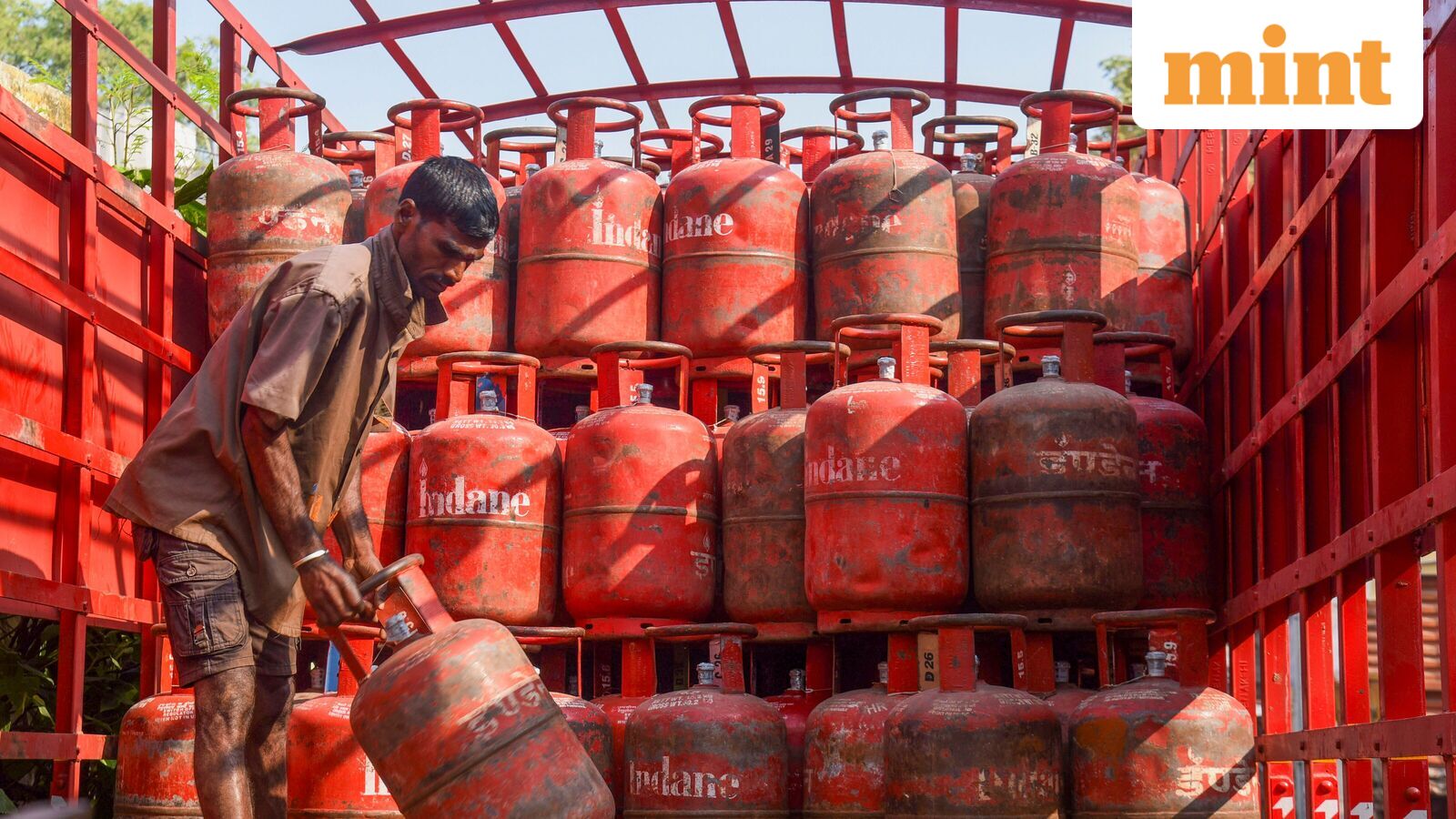
Induction cooktops are out of stock in several metro cities across the country as consumers scramble for alternatives amid fears of an LPG supply disruption triggered by the US-Iran conflict.
On quick-commerce platforms such as Blinkit, Zepto and Swiggy Instamart, multiple models of induction stoves were unavailable or listed as “sold out” in cities including Bengaluru, Chennai, Kolkata and Mumbai.
The trend was more visible in areas that rely largely on Liquefied Petroleum Gas (LPG). In places such as Greater Noida, where households are connected to piped natural gas, consumers have not yet felt a direct impact. Hence, induction stoves are still available in the area.
This development comes shortly after restaurants in cities such as Bengaluru, Delhi, Hyderabad and Mumbai have warned that operations could be disrupted if gas supplies do not stabilise soon.
Consumers explore alternatives to gas
Search interest in “induction cooktop” has risen in India over the past two days, according to Google Trends, suggesting a surge in consumer curiosity about electric cooking alternatives.
Much of the search activity has been centred on popular brands such as Pigeon, Philips, and Prestige, suggesting consumers are actively comparing products before making purchases. Some people have also searched for terms like “best induction” and queries related to an LPG crisis, which aligns with the trend of induction cooktops going out of stock.
Induction is no longer a ‘niche’ applicance, says expert
India’s kitchen ecosystem continues to be heavily dependent on LPG. However, during periods of disruption in LPG supply or delays in cylinder availability, the market seeks alternative cooking solutions, such as induction cooktops.
“Induction is no longer a niche appliance used only by students or hostels. Over the past decade, it has quietly become a secondary cooking appliance in many urban homes,” said Ravi Saxena, CEO and Founder of Wonderechef.
Citing internal data, he exclusively told Mint that an estimated 12–15% of urban Indian households already own an induction cooktop, primarily as a backup during gas shortages or cylinder delays.
He further mentioned that when LPG supply becomes uncertain, households begin using induction more frequently for everyday tasks such as boiling milk, making tea, or quick cooking. “This naturally leads to a surge in demand not only for induction cooktops but also for induction-compatible cookware.”
Since most traditional Indian utensils, especially aluminium vessels, do not work efficiently on induction, consumers shift toward magnetic stainless steel, triply cookware, and ceramic non-stick cookware that are compatible with induction technology, Saxena said.
“This sudden demand can also push prices of induction-compatible cookware upward in the short term. Manufacturing such cookware requires specific materials like magnetic stainless steel, and production cannot always scale immediately when demand spikes,” he added.
What triggered the LPG crisis?
India is facing a severe LPG supply crisis, triggered by the ongoing conflict between the US-Israel and Iran. This has happened because India imports 62-67% of its LPG, making it heavily dependent on foreign supplies.
Nearly 85-90% of that supply comes through the Strait of Hormuz, which is now effectively blocked. Supplies have been badly hit. Major Gulf exporters like Iraq and Kuwait have also cut output.
The crisis is hitting the commercial sector the hardest. In Mumbai, around 20% of eateries have already shut down, while 50-60% could close in the coming days as cooking gas shortages disrupt operations. While authorities are prioritising LPG supplies for households, prices have still risen by ₹60 on 7 March. pushing the cost of a cylinder in Delhi prices to around ₹913.
Meanwhile, the government has stepped in to manage the LPG crisis by invoking the Essential Commodities Act, 1955. This law allows the centre to control how gas cylinders are distributed and to stop people from hoarding or selling them at unfair prices.
According to officials, India currently holds enough fuel reserves to last 25-30 days. A three-member committee of Oil Marketing Company executives has also been set up to handle supply complaints from the commercial sector.


