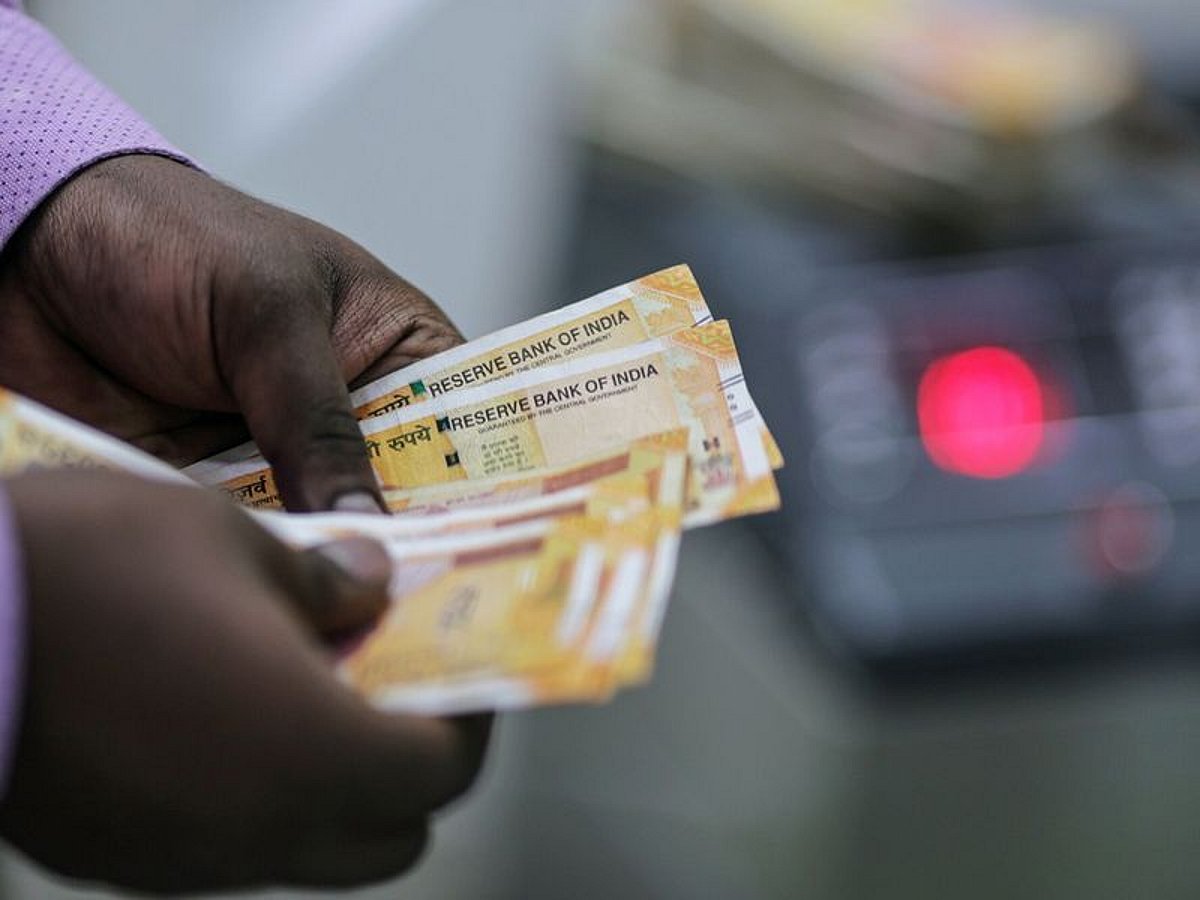
Currency tracking platforms such as XE and Wise showed the rupee trading close to 25.12 against Dh1 around 11.45 am, reflecting the latest slide in the Indian currency as global energy markets surged and demand for the US dollar intensified.
The move follows a sharp fall in the rupee against the US dollar, where the currency opened at 92.20 before slipping further to 92.52 in early trading, marking its weakest level on record.
The decline has been driven largely by a surge in global crude oil prices and rising dollar demand from importers, both of which typically place pressure on currencies of large energy importing economies.
Oil surge drives currency pressure
Energy markets have become the main driver behind the rupee’s recent volatility.
Global crude prices surged almost 25% on Monday and climbed toward $116 per barrel, fuelled by escalating geopolitical tensions in West Asia and fears that energy supply routes could face disruption.
Brent crude reached its highest level since July 2022 amid concerns that the conflict in the region could interrupt shipments through the Strait of Hormuz, one of the world’s most critical oil transit routes.
Several Middle Eastern producers have already begun curbing output. Iraq and Kuwait have reduced production while Qatar earlier cut liquefied natural gas shipments. Analysts say further adjustments from other major producers could tighten supply even further.
India, which imports a large portion of its energy requirements, remains particularly vulnerable to sharp movements in crude prices because higher fuel costs quickly filter into inflation and widen the country’s current account deficit.
Import demand fuels dollar strength
Rising oil prices have also triggered a surge in demand for US dollars from Indian energy importers.
Companies that purchase crude oil typically require dollars to settle transactions, which increases demand for the greenback during periods of rising energy prices. Currency traders say that demand has intensified sharply over the past several sessions.
The rupee and government bonds are expected to remain under pressure through the week as the Middle East conflict deepens and energy markets continue to climb.
Central bank actions limit deeper fall
Despite the sharp drop, the rupee has held up better than several emerging market currencies.
Recent central bank interventions helped stabilise the currency after last week’s steep decline, when the rupee briefly slipped beyond the 92 per dollar level before recovering slightly.
The Reserve Bank of India has been closely monitoring currency markets and stepped in earlier to support the rupee after its sharp fall.
Analysts at Goldman Sachs said the currency’s relative resilience compared with other emerging markets reflects tight central bank management.
– With inputs from agencies.
Nivetha Dayanand is Assistant Business Editor at Gulf News, where she spends her days unpacking money, markets, aviation, and the big shifts shaping life in the Gulf. Before returning to Gulf News, she launched Finance Middle East, complete with a podcast and video series.
Her reporting has taken her from breaking spot news to long-form features and high-profile interviews. Nivetha has interviewed Prince Khaled bin Alwaleed Al Saud, Indian ministers Hardeep Singh Puri and N. Chandrababu Naidu, IMF’s Jihad Azour, and a long list of CEOs, regulators, and founders who are reshaping the region’s economy.
An Erasmus Mundus journalism alum, Nivetha has shared classrooms and newsrooms with journalists from more than 40 countries, which probably explains her weakness for data, context, and a good follow-up question.
When she is away from her keyboard (AFK), you are most likely to find her at the gym with an Eminem playlist, bingeing One Piece, or exploring games on her PS5.


