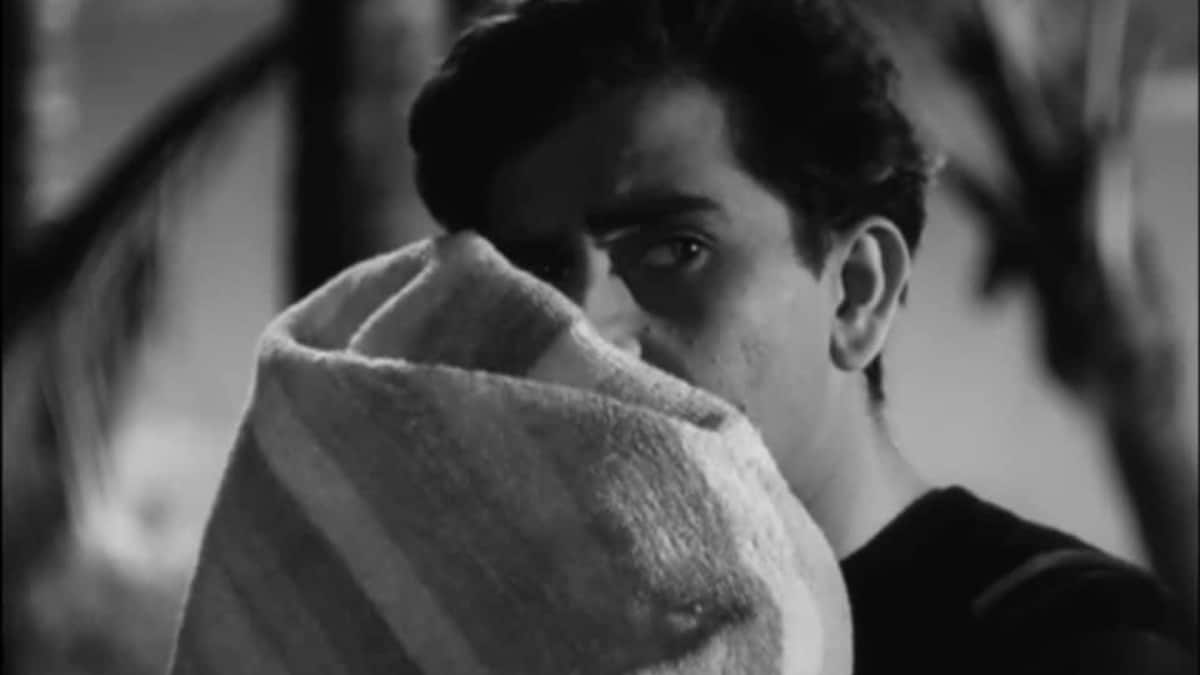
He was a multi-talented actor, director and producer. His films explored romance, social issues and human emotions, creating a cinematic language that spoke to millions across generations.

Born on December 14, 1924, he became one of the most influential figures in Indian cinema. But who was this legendary personality?

The man in question is Raj Kapoor, the original Showman of Indian cinema, whose impact still resonates in India and abroad.

Raj Kapoor’s larger-than-life persona, both on and off-screen, left a lasting legacy. Some of his classics like Awaara, Shree 420, Mera Naam Joker and Bobby, continue to inspire filmmakers even today.

While he remained a respectable and recognised figure in India, Raj Kapoor also achieved extraordinary international fame, especially in Russia, where his fan following remains unmatched.

When Raj Kapoor and Nargis Dutt’s film Awaara was released in Moscow, it stayed in theaters for two years. The film sold a staggering 64 million tickets, ranking as the third most-watched foreign film in Soviet history.

During his trips to Moscow, massive crowds gathered just to catch a glimpse of Raj Kapoor. Fans even danced with him in the streets.

Rishi Kapoor once revealed that fans were so overwhelmed that they lifted Raj Kapoor’s taxi on their shoulders in Moscow.

“Once when Raj Kapoor went to Moscow, he did not have a visa there, but the Soviet authorities allowed him to enter the country without any hassle. As soon as he came out of the airport and sat in a taxi, it started moving upwards instead of moving forward. People there lifted his taxi on their shoulders,” he said.

Released in India in 1951, Awaara hit Russia in 1954 as Brodyaga. The songs stayed in Hindi, a choice that made history.

The track, Awaara Hoon, became a symbol of Indo-Russian friendship, even played at official banquets.

Still counted as one of his classic hits, the 1951 film Awaara tackled social injustice and redemption, with Raj Kapoor playing a poor thief. Its emotional depth earned it a nomination at the Cannes Film Festival in 1953.


