COLUMBUS, Ohio — As pennies disappear from circulation and retailers shift to rounding, Ohio lawmakers are debating options for consumers and how they can pay.
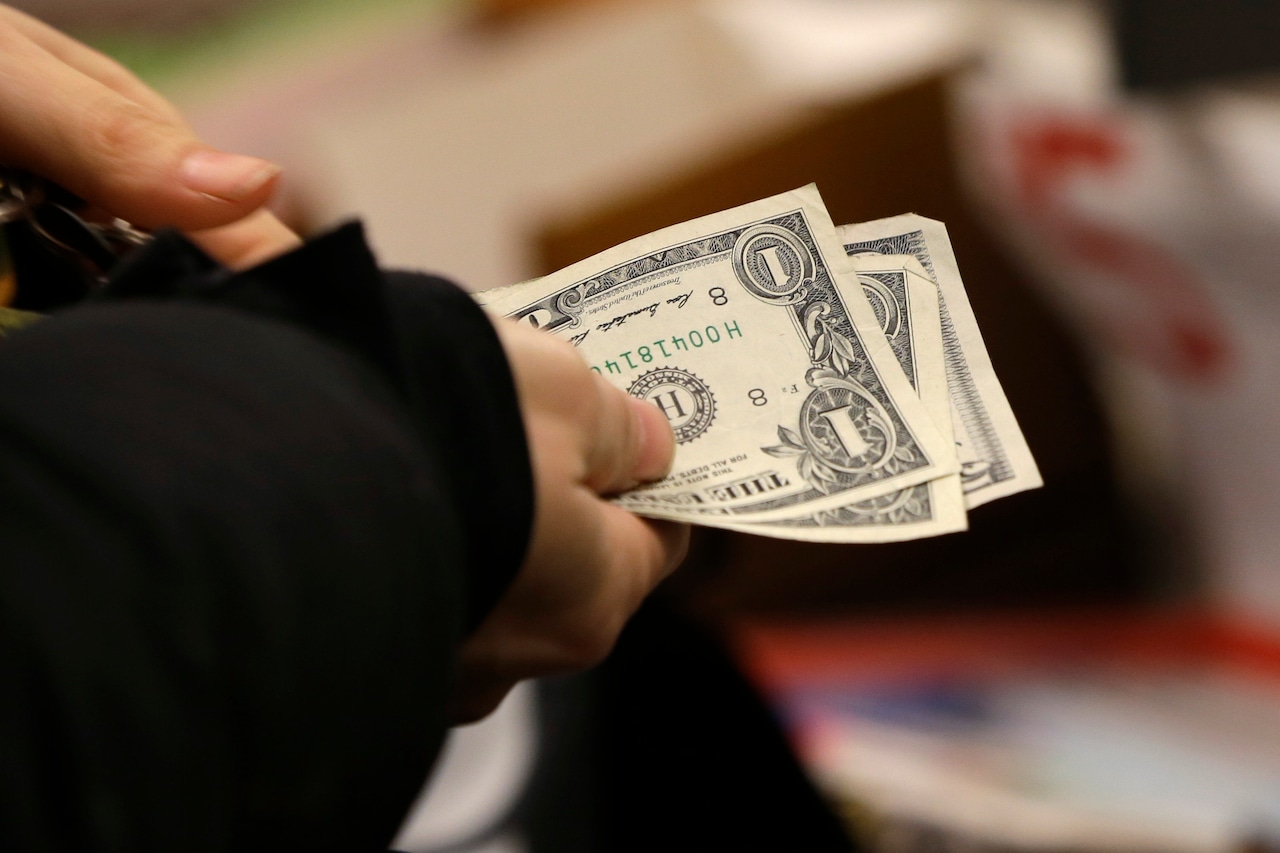
House Bill 554, the Currency Access to Spend Here or CASH Act, would require stores and government offices to accept cash for purchases under $500.
The bill’s sponsors say the bill protects customers who don’t have credit cards, distrust digital payments, or simply prefer using real money.
“It’s simple, cash is the basis for business in America,” Rep. Dave Thomas said in a news release. “Our taxpayers should always have the ability to use cash in their daily lives.”
In testimony, Thomas said this isn’t meant to burden businesses and would only require one cash register per location.
“The local Walgreens store may have five registers; only one would need to be cash under this bill,” he said. “The local doctors’ office may have several payment windows, but one would need to be cash.”
And unlike previous versions of this bill, HB 554 does not include exemptions for parking garages and sports stadiums.
That means fully cashless venues — including Huntington Bank Field, where the Cleveland Browns play — would have to offer at least one place to pay with cash.
The push to protect cash comes as paying with it gets more complicated.
The federal government ended production of the penny in November, and many retailers have already begun rounding cash totals to the nearest nickel. Without federal guidance, every store is making its own call on whether to round up, round down or use a mix of both.
“I do think as you see more rounding it will encourage people to pay electronically,” Ohio Chamber of Commerce President Steve Stivers said. “It will just discourage people from paying in cash.”
Rounding could also make retailers more reluctant to accept cash payments.
Kwik Trip, a regional convenience store chain, recently announced it would round every cash transaction down — a decision expected to cost the company nearly $3 million a year.
Stivers said businesses face financial and legal risks either way.
The chamber is lobbying for national guidance so every company follows the same rules, and customers know what to expect at the register.
Alternative ways to pay
Ohio lawmakers are also debating whether to let people pay with gold.
House Bill 206 would let Ohioans set up accounts backed by gold or silver bullion held by the state treasurer. People could use a debit card or phone app to spend from those accounts, and the value would automatically convert to dollars at checkout.
“You don’t know unless I say, ‘Hey, look, I’m using gold to buy your coffee,’” Butler County Republican Rep. Jennifer Gross said in October.
And in April, Ohio Secretary of State Frank LaRose and Treasurer Robert Sprague asked the State Board of Deposit to let people use cryptocurrency to pay for state fees and services.
Taken together, the bills show how rapidly the way we pay for goods and services is shifting.


